How to Remove Makeup Properly for Healthy Skin
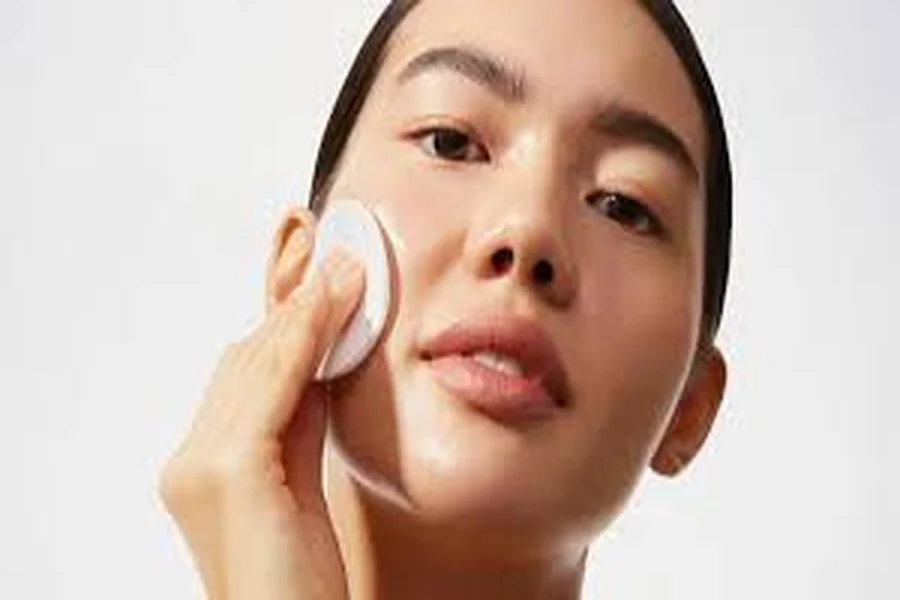
One of the most significant skincare steps that are disregarded is the removal of makeup, which is, however, the most important. A lot of individuals go through the process quickly wipping off or splashing water, and then they wonder why their skin appears dull, blocked or having the tendency to breakout. The fact of the matter is that the way you remove your makeup is important as much as the way you apply it. Properly applied, remove-all-makeup can help build the skin barrier, avoid clogged pores and enable your evening skincare products to be more effective. This tutorial takes you through all the information you should know about the proper process of removing makeup; which products to use, to what technique to use on each type of skin.
The Importance of Proper Makeup Removal
One of the worst things that you can do to your skin is to leave makeup overnight. During the day, foundation, concealer and powder can be used to entrap dirt, oil and other environmental pollutants in your pores. These are not well eliminated, and they cause blackheads, acne, and aging. Eye makeup, particularly waterproof mascara and eyeliner may irritate the eyes, break down the lashes and sometimes even cause an infection when they are not removed before you go to sleep. In addition to these immediate issues, the long-term consequences of inadequate makeup removal are dullness, uneven texture of the skin, and speedy breakdown of collagen. Spending an additional few minutes every evening in an effective cleansing process is worth paying immeasurably in the long run.
Step One: Begin with a Makeup Remover or Cleansing Oil
You would have to dissolve the makeup on the surface of your skin before you pick your normal face wash. This is where a special makeup remover or cleansing oil is required. The cleansers based on oil are especially efficient as they adhere to the principle of like dissolves like. Oil-based products makeup, sunscreen, and sebum are all oil-based products and using a cleansing oil dissolves them, leaving them dissolved, and leaving your skin unstripped.
To apply a cleansing oil, put a little on dry hands and rub it into a dry face in circular movements. Pay attention to the areas where the makeup is likely to accumulate (nose, chin, and sides of the mouth). After approximately 60 seconds of massaging, pour in some water to disperse the oil to a milky consistency and then rinse thoroughly.
Micellar water is an excellent substitute (or at least a non-oil one) to use, particularly on sensitive skin. Wet a cotton pad, and place it against your skin but not rubbing back and forth, this will irritate and make your skin red. The micellar water is mild enough to be applied in the area around the eyes and useful enough to take off light or medium coverage makeup.
Step Two: Cleanse with a Gentle Face Wash two times
The most popular way of removing makeup, which is popularized as the Korean skincare, is the double cleanse technique which is generally believed to be the gold standard of removing makeup. Following your initial makeup cleansing with a makeup remover or oil, you should then take a simple water based cleanser to get rid of the water. The second wash is also aimed at cleaning the sweat, bacteria, and any other accumulation that might have been left by the first step.
Select a cleanser that matches your skin type. In the case of oily or acne prone skin, foaming cleanser or gel cleanser with salicylic acid can be used. A cream or milk cleanser is better in case of dry or sensitive skin. Use the cleanser on a moist surface, rub into the skin in circular movements at least 60 seconds then rinse under lukewarm water. The heat should be avoided because it will deprive the skin of its natural moisture.
Step Three: Be Particular about Eye Makeup
Eyelid skin is the most sensitive and thinnest part of your face and as such, it needs extra attention during eye makeup removal. Pulling, scrubbing or harsh products on this area over time may result in fine lines, broken capillaries, and irritation.
Apply a special eye makeup remover, either an oil type remover or a two-phase remover that separates into water and oil. Before use, shake the bottle. Wet a cotton pad with the remover and place it softly on a closed eye and leave it to dissolve the mascara and eyeshadow between 10 and 20 seconds then wipe downwards. Do not rub side by side because this pulls the skin in vain.
In the case of hard to get waterproof mascara, it might require you to do it twice. With a cotton swab with eye makeup remover, remove any smudges along the lash line. This care will enable your lashes to remain healthy and avoid premature thinning.
Step Four: Do Not forget Lip Makeup
Lip colors, particularly long lasting lip formulas and liquid lipsticks, will leave a stain on your lips and the area surrounding it unless you carefully remove them. Rub a little cleansing oil or petroleum jelly on your lips and leave it to rest a minute. Next clean the color off with a soft cloth or cotton pad. The product should be able to come off without a lot of rough scrubbing. Apply a lip balm to keep your lips hydrated at night.
Step Five: Tone and Moisturize.
When you have cleansed your skin twice, the skin is ready to take in the remaining skincare routine. Use a cotton pad or rub it into the skin with your hands using alcohol-free toner. This will bring back the pH levels of your skin, as well as priming it to accept serums and moisturizer. Continue with your designated treatments, which can be a vitamin C serum or retinol, and end with a replenishing moisturizer that suits your skin type.
How to select the correct products to use on your skin type
Not every makeup remover is the same, and the choice of the one that fits your type of skin may be huge. In the case of oily skin, a light micellar water or a cleansing balm made of gel is sufficient, without creating additional grease. In the case of dry skin, a balm or cleansing oil that is nourishing and leaves a thin veil of moisture is best. When it comes to combination skin, a mild cleansing milk applied with a special makeup remover of heavy eye and lip products is likely to yield the best results. In the case of sensitive skin, hypoallergenic and fragrance-free formula reduce the chances of reaction. A lot of beauty lovers and people who love make-up can get a great advice on the sites such as latinamakeup where they are provided with various and diverse products according to the tone and type of skin.
Some of the pitfalls to avoid
Use of makeup wipes is one of the greatest errors that people commit by only attempting to clean their faces using these wipes. Although wipes are easily available, they usually fail to clear off all the makeup residues and most of them include alcohol or preservatives which may tend to irritate the skin in the long run. They are only to be used as a last resort or in emergency situations, but not instead of a cleaning procedure.
The other error is not using the second cleanse thinking that the makeup remover has done everything. In the absence of the latter, a microscopic residue of cosmetics, remover, and contaminants are left on the skin. In the long run, this leads to a breakout and texture problems.
The other problem is hurrying through the process. Allow your products time to take effect. Use your cleanser in full one minute as opposed to swipe and leave your eye makeup remover on the lash line a few seconds before wiping.
Lastly, micro-tears on the skin may be initiated by the use of coarse or poor quality cotton pads. Use soft and quality pads or reusable cloths of the face in soft materials such as bamboo or microfiber.
Developing a Routine
Good skin has its basis in consistency. Regardless of how exhausted you are at the end of the day, it will make the removal of your makeup a non-negotiable aspect of your schedule and you will see results in a few weeks. Make your goods accessible and arranged in order to make the process smooth. When wearing heavy makeup, a cleansing balm would be worth the money, as it usually works better when it comes to removing full-coverage products than a light liquid remover.
It also aids in making it easier to go about on low-makeup days. When you are wearing A light tinted moisturizer and mascara, the one gentle clean might be enough. Do the double cleanse on the days when you have applied foundation, contouring products, and bold eye looks. Adjusting your routine to your real skin makeup load will make sure you do not over-cleanse your skin making it dry out.
Advice on Selective Skin issues
In case of acne, it is particularly important to take off the makeup. Any leftover on the skin nourishes bacteria that cause acne and a double cleanse is highly desirable. Find non-comedogenic makeup removers and cleansers that are specifically mentioned to be for acne-prone skin.
When you have rosacea or very sensitive skin, you should not physically scrub on your skin but use the press-and-lift method with your cotton pad. Light, less is better and you must always patch-test new removers before using them on your entire face.
In case you are using heavy makeup on your face, whether theatrical or special effects, you might need a special makeup remover that will remove all the makeup before you start your normal cleansing process. These products are designed to slice through cover layers, body paint and setting spray.
FAQs About How to Remove Makeup Properly
Q: Can I use coconut oil to remove makeup?
A: Yes, coconut oil is an effective natural makeup remover for many people. It dissolves foundation, mascara, and lipstick well. However, those with acne-prone or oily skin should use it cautiously as it can clog pores for some individuals. Always follow with a proper face wash.
Q: Is it bad to sleep with makeup on occasionally?
A: Occasional slip-ups are unlikely to cause permanent damage, but making it a habit is harmful. Even one night of sleeping in makeup can lead to clogged pores, eye irritation, and skin dullness. It is always worth taking a few minutes to cleanse properly.
Q: How often should I double cleanse?
A: Double cleansing is generally recommended every evening, especially if you wore makeup, sunscreen, or heavy skincare products during the day. In the morning, a single gentle cleanse is usually sufficient.
Q: Are makeup wipes safe to use on the skin?
A: Makeup wipes are safe for occasional or emergency use, but they should not replace a proper cleansing routine. Many wipes contain harsh preservatives and do not fully remove makeup. They are best used as a preliminary step before cleansing with water-based products.
Q: What is the best way to remove waterproof mascara without losing lashes?
A: Use an oil-based eye makeup remover and hold a soaked cotton pad over your lashes for 15 to 20 seconds before gently wiping downward. Never rub or pull. Patience and a good remover are the key to protecting your lashes.
Q: Should I wash my face after using micellar water?
A: Yes, it is recommended to rinse or follow up with a gentle cleanser after using micellar water. While micellar water removes surface makeup, residual micelles can remain on the skin if not rinsed, which may cause irritation for some skin types.