Commercial Site Safety: 5 Essentials for Every Small Construction Project
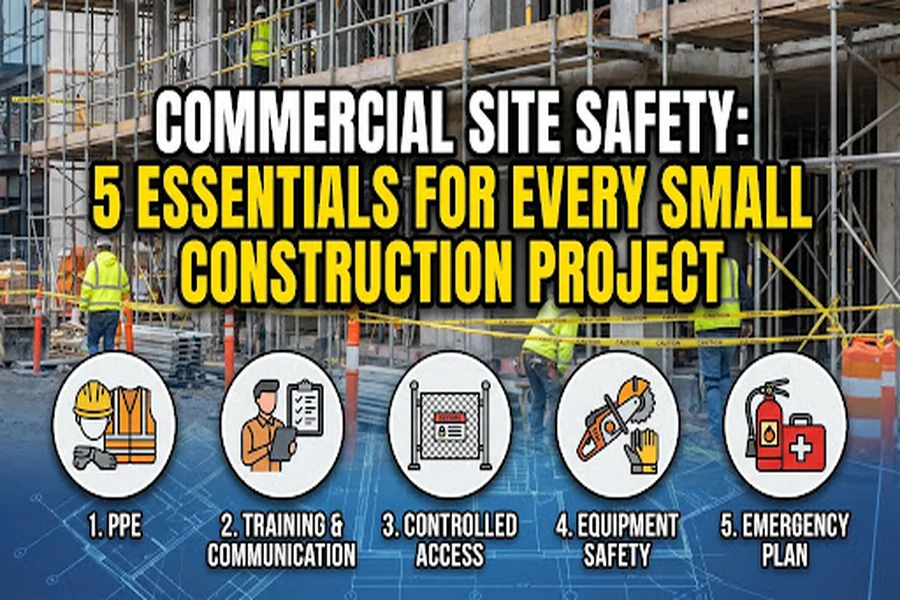
Construction remains one of the most hazardous industries globally. Every small project carries significant risks for workers and owners. Neglecting safety leads to injuries, legal fines, and project delays. Prioritizing site security ensures a smooth workflow and protects your team. Small contractors must implement robust protocols to maintain professional standards. These five essentials form the foundation of a secure commercial construction environment.
1. Comprehensive Risk Assessment and Hazard Communication
Safety begins long before the first shovel hits the dirt. You must identify potential dangers specific to your project site. Small sites often hide risks like overhead power lines or unstable ground. Analyze every task to pinpoint where accidents might occur. Document these findings in a formal safety plan.
Communication serves as your most powerful tool on any site. Workers need to know exactly what hazards exist near them. Use clear signage to mark restricted zones or chemical storage areas. Conduct daily “toolbox talks” to keep safety at the forefront of minds. Encouraging a culture of transparency reduces the likelihood of hidden dangers.
2. Mandatory Personal Protective Equipment (PPE) Standards
Personal Protective Equipment acts as the final line of defense for workers. Every person entering the site must wear appropriate gear at all times. Hard hats protect against falling debris and structural impacts. High-visibility vests ensure operators see ground crew in low-light conditions. Steel-toed boots prevent crushing injuries from heavy machinery or dropped tools.
Small projects sometimes tempt workers to skip PPE for quick tasks. You must enforce a zero-tolerance policy for these lapses. Provide specialized gear like earplugs for high-decibel environments. Safety glasses prevent eye injuries from flying sparks or dust. Respiratory masks are vital when working with silica or hazardous fumes. Regular inspections ensure all equipment remains in functional, safe condition.
3. Advanced Scaffolding and Fall Protection Systems
Falls represent the leading cause of fatalities in the construction industry. Any work performed at heights requires engineered fall protection solutions. Scaffolding must be erected by competent persons following strict guidelines. Ensure all platforms have secure guardrails and stable base plates. Never allow workers to use makeshift platforms or unstable ladders.
Small commercial renovations frequently involve roof work or high ceilings. Personal fall arrest systems (PFAS) are essential for these specific tasks. Train your staff on how to inspect harnesses before every use. Anchor points must support significant weight to be truly effective. Regular maintenance of ladders and lifts prevents mechanical failures. For detailed safety standards, consult the Occupational Safety and Health Administration (OSHA) guidelines.
4. Strict Electrical Safety and Tool Maintenance
Electrical hazards pose a silent but deadly threat on construction sites. Temporary power setups often lead to frayed wires or overloaded circuits. Ensure all electrical installations comply with local building codes. Use Ground Fault Circuit Interrupters (GFCIs) for all portable power tools. Inspect extension cords daily for nicks, cuts, or exposed wires.
Power tools require constant attention to remain safe for operation. Dull blades or faulty guards cause many preventable workshop accidents. Implement a tagging system to identify broken or malfunctioning equipment. Remove damaged tools from the site immediately to prevent accidental use. Proper storage protects sensitive electronics from moisture and physical damage. Training workers on specific tool mechanics reduces user error significantly.
5. Effective Site Perimeter Control and Organization
A cluttered job site is a dangerous job site. Tripping hazards account for a large percentage of minor injuries. Organize materials in designated areas away from heavy foot traffic. Clear debris daily to maintain unobstructed paths for all workers. Proper lighting in hallways and stairwells prevents accidents during early hours.
Efficient waste management is crucial for maintaining an organized workspace. Utilizing a Temporary Dumpster keeps scrap materials contained and off the floor. Centralized waste disposal prevents sharp objects from scattering across the site. Perimeter control also protects the public and prevents unauthorized site access. Fencing keeps pedestrians away from heavy machinery and open pits. Visible boundaries define the workspace and improve overall operational efficiency.
Cultivating a Safety-First Mindset
Small construction projects require the same vigilance as massive skyscrapers. Size does not dictate the level of danger present. Leadership must model safe behavior to influence the entire crew. Invest in regular training sessions to sharpen safety skills. Reward workers who proactively identify and report site hazards.
Safety protocols should evolve as the project moves through different phases. Demolition requires different precautions than the final interior finishing stages. Stay updated on the latest safety technology and equipment trends. Modern apps can help track safety inspections and incident reports. Consistency remains the key to maintaining an accident-free environment.
The Financial Benefits of Construction Safety
Prioritizing safety actually saves money over the long term. Insurance premiums often decrease for contractors with clean safety records. You avoid the massive costs associated with legal battles and fines. Projects stay on schedule when workers remain healthy and active. A safe reputation helps you win more competitive commercial bids.
Clients value contractors who take site security seriously. It demonstrates professionalism and respect for the human element. Safety reduces the stress levels of everyone involved in the project. High morale leads to better craftsmanship and higher productivity. Treat safety as an investment rather than a burdensome expense.
Conclusion: Commit to Excellence
Building a safe commercial site requires dedication and constant effort. These five essentials provide a framework for protecting your most valuable assets. Start with a clear plan and follow through with action. Equip your team with the tools and knowledge they need. Watch your small construction project thrive in a secure environment.
Every decision you make impacts the well-being of your staff. Choose quality gear and enforce strict site rules every day. Safety is not a checklist; it is a way of working. Build your reputation on a foundation of security and trust. Successful projects are those where everyone returns home safely.