Apple Watch SE vs Series 10: Which Should You Buy?
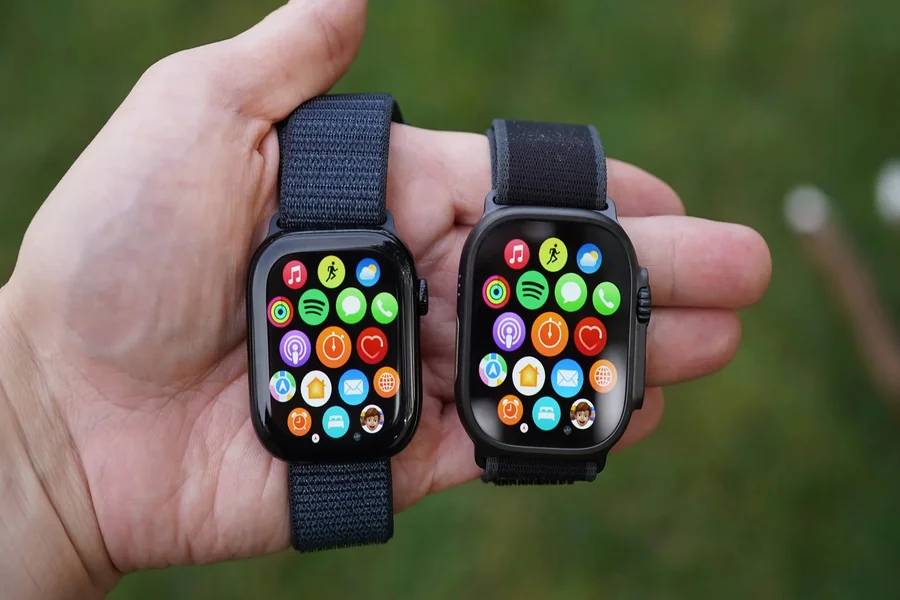
The range of Apple Watch has grown over time and now it is important to take a keen eye when deciding on which model to buy in consideration of its price and features. Apple Watch Series 10 and Apple Watch SE are at the opposite ends of the mainstream Apple watch line, with the former offering an affordable price point and the latter being the most recent and the most fully-fledged standard Apple Watch. To make the correct choice, it is imperative to understand how they compare in terms of health features, design, performance and value-for-money. All the information you need to know about Apple Watch SE vs Series 10 is broken down in this guide.
Overview of Each Model
Apple Watch SE is the low-end model, meant to provide the full Apple Watch experience at a lower price and without the luxurious features and price tag of the higher-end models. It is aimed at users that do not necessarily want advanced health sensors at a high cost but are interested in fitness tracking, notifications, Apple Pay and smooth integration into their iPhone.
The Apple Watch Series 10 is the latest flagship standard watch by Apple, and it is a massive leap forward in health monitoring, display, processing power, and design finesse. It targets users who desire the most comprehensive Apple Watch experience existing in the standard range, with features that involve hardware more advanced than the current range of Apple Watches.
Design and Display
Apple Watch Series 10 includes significant advances in design compared to the preceding series and is a significant break in the form factors of the series. It also has a slimmer case than any other Apple Watch has ever had, enabling it to be more comfortable on all-day and sleep tracking. The screen is also bigger and brighter compared to that of the SE and has a wide-angle OLED display and can still be seen even when the wrist is at a low angle. The always-on display feature implies the time and complications can be viewed at all times without the need to raise the wrist.
Apple Watch SE has a less progressive design language and does not have an always-on display. Compared to Series 10, its screen is smaller and less bright, which can be evident when placed next to each other. The SE is also packaged in an ordinary aluminum case and has fewer finish options than the Series 10 which has titanium case options that are costly.
The Series 10 is the obvious choice to users seeking display quality, modern looks and the comfort of having an always-on display. To users that just require a functional and good-looking smartwatch that does not have to be the most advanced product in the market, the design of SE is completely sufficient.
Health and Fitness Features
Here is the point of divergence between the two models. The Series 10 of the Apple Watch has a range of health sensors and features unavailable in the SE.
The Series 10 has an electrical heart sensor to read ECGs that can show signs of atrial fibrillation directly through the wrist. This has been attributed to assist the users in detecting serious heart conditions even before they turn out to be an emergency. The Series 10 also includes blood oxygen monitoring which measures the oxygen saturation in the blood and may be a valuable predictor of the health of the respiratory system. The Series 10 also has temperature sensors, which Apple can employ to power features such as retrospective ovulation estimates in the Cycle Tracking app.
The Apple Watch SE lacks ECG, blood oxygen and temperature features. It has the usual accelerator, gyroscopes to monitor the various activities, fall-detection, crash-detection, emergency SOS, and optical heart rate sensor to monitor the constant heart rate during the exercises and throughout the day. The SE can fully handle general fitness tracking, sleep tracking, and daily activity monitoring. Users who desire more health-related features and an advanced heart health tracker or wellness features will need the Series 10.
It should be mentioned that such health features as blood oxygen monitoring were subject to regulatory scrutiny in the United States, and stories by technological news outlets such as avstarnews have followed how Apple overcame such obstacles in various markets. It is best to check the availability of certain features in your region before buying.
Performance and Processing Power
The Apple Watch Series 10 is powered by the new processor of Apple which is significantly faster than the chip of the SE. This difference in processing speed is not likely to be noticeable when it comes to most of the day-to-day activities, including checking notifications, using applications, making workouts, and answering messages. Its relevance can be found in how responsive more demanding applications are, how quickly Siri requests are served on-device, and how seamlessly navigation is between features when switching between features quickly.
The SE has an older chip which still works well in performing core functions but can be a little old when executing third-party applications that can be demanding in performance. This difference in performance will not have a significant impact on the everyday experience of users that intend to use their Apple Watch in order to monitor their fitness, receive notifications, and perform other simple tasks typical of smartwatches.
Battery Life
The two models have similar battery performance when used in regular mode; as each has an approximate life of 18 hours of general use. The Series 10 has risen to the challenge of the earlier flagship models in terms of efficiency, offering the same battery life but with an enhanced feature list and brighter screen. Both models have Low Power Mode that can greatly increase battery life when required.
Charging habits are also crucial to users who wish to monitor the occurrence of overnight sleep on a regular basis. The Series 10 might be more comfortable to wear as a sleep tracker due to its slimmer, lightweight form factor. Each of the two models could be charged to the extent of a full day within a brief morning charging period.
Price and Value Comparison
Apple Watch Series 10 and Apple Watch SE have a significant difference in price. The SE is the cheapest Watch available in Apple and provides a good value to the experience one gets. It is priced much higher and the premium is mainly due to its enhanced health sensors, better display and a more sophisticated design.
The question of whether the upgrade is well justified by the price difference or not is up to you. The only product in the standard line that offers an ECG, blood oxygen monitoring and always-on display is the Series 10. When these features are not of priority to you, the SE offers you the Apple Watch experience at significantly a far cheaper price and an excellent value proposition.
Which Model Should You Choose?
Buy Apple Watch SE when: you are new to the Apple Watch ecosystem and want to experience the ecosystem at a small cost, you are purchasing an Apple Watch on behalf of a child, teenager, or an older adult who does not need any complicated features, you are buying an Apple Watch primarily to track activities and workouts, receive notifications, and use Apple Pay, or you have a limited budget and will be maximizing your experience with an Apple Watch.
Buy the Apple Watch Series 10 when: you prefer a more advanced heart health tracking features with an ECG and atrial fibrillation detection, the always-on display is important to you and you prefer to have the latest technology on an Apple Watch, or you are making a long-term investment and need the device to be updated with new software and keep up with the times as long as possible.
Software and Compatibility
Both models operate on watchOS and get identical software updates, which means that they share the same basic functionality in terms of apps, Siri, Apple Pay, notifications, and iPhone integration. The SE is not only compatible with software not available on the Series 10, and vice versa, but also some features made accessible with extra hardware sensors are exclusive to the Series 10.
FAQs
Is the Apple Watch SE worth buying in 2024?
Yes, the Apple Watch SE offers excellent value for users who want the core Apple Watch experience without advanced health sensors. Its affordable price point makes it an attractive entry into the Apple Watch ecosystem, and it runs the same watchOS as the flagship models.
Does the Apple Watch Series 10 have a blood pressure monitor?
As of the Series 10 launch, the Apple Watch does not include a traditional blood pressure monitor. Blood oxygen monitoring is included, along with ECG and heart rate monitoring. Future models may include blood pressure features as the technology develops.
Can Apple Watch SE detect falls?
Yes, the Apple Watch SE includes fall detection and crash detection, which can automatically contact emergency services and designated contacts if a fall or crash is detected and the user does not respond within a set timeframe.
How long will the Apple Watch SE be supported with software updates?
Apple typically supports its Watch models with software updates for several years after release. The SE is designed to be supported for at least four to five years from its release, making it a reasonable long-term investment even at its lower price point.
Is the Apple Watch Series 10 display significantly better than the SE?
Yes, noticeably so. The Series 10 features a larger, brighter OLED display with always-on functionality. The SE has a capable display for its price but cannot match the clarity, brightness, or always-on capability of the Series 10.
Which Apple Watch is better for sleep tracking?
Both models support sleep tracking, but the Series 10’s thinner and lighter design may make it more comfortable for all-night wear. The Series 10 also offers sleep apnea detection, a feature not available on the SE. For users who prioritize comprehensive sleep health data, the Series 10 is the better choice.
Choosing where to play starts with understanding what an operator actually offers new members. Welcome packages vary widely between casinos, and the headline percentage rarely tells the whole story. Reading the terms before depositing saves both money and frustration later on.
How Casino Welcome Bonuses Really Work
A typical match bonus doubles your first deposit, but wagering requirements decide whether that credit ever becomes withdrawable cash. Players weighing packages often Slotlair before committing, since side by side terms make the differences obvious. Look at the multiplier, the eligible games and the expiry window together rather than judging an offer on its size alone.
| Element | What to Check |
|---|---|
| Playthrough | How often the bonus must be wagered |
| Game weighting | Which titles count toward it |
| Expiry | How long the credit stays valid |
- Check the maximum bonus amount before depositing
- Confirm which slots count fully toward wagering
- Note the expiry date on unused bonus credit
Bonuses reward patience more than speed. Claiming every available offer usually leads to locked balances and unmet conditions, while picking one package that suits your budget keeps play manageable. Set a deposit limit first, treat the bonus as extra entertainment time, and withdraw once the terms are genuinely cleared.