Alternative and Transitional Solutions for People Who Want to Change and Leave Bad Habits Behind
Understanding the Challenge of Changing Bad Habits
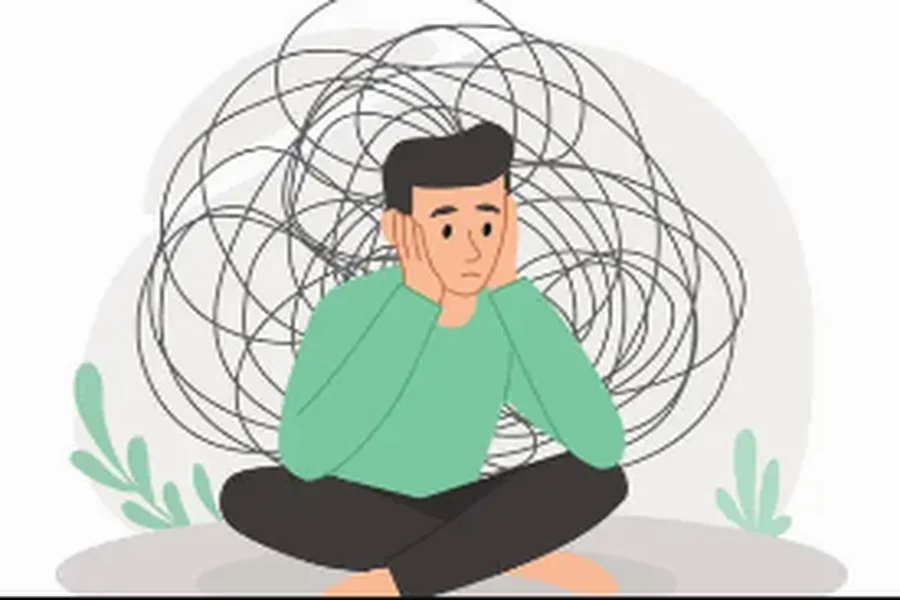
Changing bad habits is one of the most challenging processes a person can experience. Whether it involves unhealthy eating, excessive use of technology, procrastination, smoking, negative thinking, or any other behavior that no longer supports a person’s goals, the desire to change is often much easier than the actual process of transformation. Many people try to eliminate a bad habit immediately, only to return to it after a short period because the habit was fulfilling a certain emotional, physical, or psychological need. A more effective approach is to use alternative and transitional solutions that help people gradually replace harmful behaviors with healthier ones.
Finding the Reasons Behind Unhealthy Patterns
The idea behind transitional solutions is simple: instead of creating a sudden and uncomfortable void by removing a habit, a person introduces a healthier substitute. This approach recognizes that habits are usually not random actions; they are often connected to routines, emotions, rewards, and personal needs. By understanding what a habit provides, people can find better ways to achieve the same benefit without causing harm. Identifying the reason behind a habit is often the first step toward creating a realistic and successful plan for change.
Replacing Old Habits with Better Alternatives
One of the most important steps in changing a habit is finding a suitable replacement. For example, someone who constantly checks social media may not simply have a problem with technology. They may be searching for connection, entertainment, relaxation, or an escape from stress. If they only remove social media apps without replacing that need, they may eventually return to the same behavior or develop another unhealthy habit. A better solution could be creating alternative activities such as reading, exercising, learning a new skill, or spending more time with friends and family.
Making Small Changes Instead of Extreme Decisions
Small replacements are often more sustainable than extreme changes. People frequently struggle because they set unrealistic expectations and try to completely transform their lifestyle overnight. A person who drinks several sugary beverages every day may find it difficult to immediately switch to only water. A transitional solution could be reducing the amount gradually, replacing some drinks with healthier options, or creating a new routine around hydration. Over time, these small adjustments become easier and can develop into lasting positive changes.
Creating Healthy Distractions and New Routines
Another useful strategy is creating healthy distractions. When people try to quit a bad habit, they often experience moments when the old behavior feels especially tempting. These moments are usually connected to certain situations, emotions, or times of day. Preparing alternative activities in advance can help overcome these challenges. For example, someone trying to reduce unnecessary spending might replace online shopping with walking, journaling, or learning about personal finance. Someone trying to reduce screen time might create evening routines that include hobbies, exercise, or relaxation techniques.
Changing the Environment to Support Progress
The environment plays a major role in maintaining habits. People often underestimate how strongly their surroundings influence their behavior. If unhealthy choices are constantly available and visible, resisting them requires significant effort. Changing the environment can make positive habits easier to maintain. Removing unnecessary distractions, organizing a workspace more effectively, or spending more time with people who support personal growth can create conditions that encourage better decisions.
The Importance of Support and Accountability
Support systems are another powerful transitional tool. Many people believe they must change alone, but encouragement from others can make the process easier. Friends, family members, mentors, or communities with similar goals can provide motivation and accountability. Sharing progress with others can create a sense of responsibility and remind a person why they started the journey. Positive support can also help people stay focused during difficult periods when motivation decreases.
Learning from Setbacks Instead of Giving Up
It is important to replace self-criticism with self-awareness. Many people who struggle with bad habits become frustrated and judge themselves harshly after making mistakes. However, setbacks are a normal part of change. A person who returns to an old habit after several successful days has not lost all progress; instead, they have learned more about their triggers and challenges. Understanding these moments allows them to adjust their strategy and continue moving forward with a better approach.
Developing Awareness and Self-Control
Mindfulness and reflection can also support habit transformation. Taking time to observe thoughts, emotions, and patterns helps people recognize why they act in certain ways. Instead of automatically responding to stress, boredom, or discomfort with an old habit, they can learn to pause and choose a different action. Practices such as meditation, breathing exercises, journaling, or simply spending quiet time reflecting can improve awareness and help people make more intentional choices.
Gradual Transitions Instead of Sudden Changes
For some habits, a gradual reduction approach works better than complete elimination. This is especially true when a behavior has been part of someone’s life for many years. Creating measurable goals can make progress easier to track. Instead of saying “I will never do this again,” a person can focus on realistic steps, such as reducing frequency, changing circumstances, or building healthier routines. For example, some people who are trying to quit smoking explore transitional alternatives such as nicotine salts in vaping products as a way to gradually move away from traditional cigarettes, although individual experiences and preferences vary. Progress becomes a series of manageable improvements rather than a single difficult decision.
Finding New Sources of Satisfaction
Another important aspect of change is discovering new sources of satisfaction. Bad habits often provide immediate rewards, while healthy alternatives usually require more patience. Exercise, learning, building relationships, and personal development may not provide instant pleasure, but they can create deeper and longer-lasting benefits. The goal is not only to remove negative behaviors but also to create a lifestyle where those behaviors are no longer necessary.
Building a Sustainable Future Through Change
Ultimately, leaving bad habits behind is not about perfection; it is about creating a better relationship with oneself and one’s choices. Alternative and transitional solutions provide a realistic path between where a person is today and where they want to be in the future. By replacing harmful habits with healthier alternatives, adjusting the environment, seeking support, and practicing patience, anyone can gradually create meaningful and lasting change.
Every Step Forward Matters
Real transformation happens through consistent actions rather than sudden decisions. Every small improvement is a step toward a healthier, more balanced, and more fulfilling life. The process may take time, but with the right strategies and mindset, old habits can be replaced by new patterns that support personal growth and well-being. Change does not happen overnight, but every positive decision contributes to building a better future.