Why Organic Grocery Delivery Has Quietly Become a Default for Health-Conscious Households
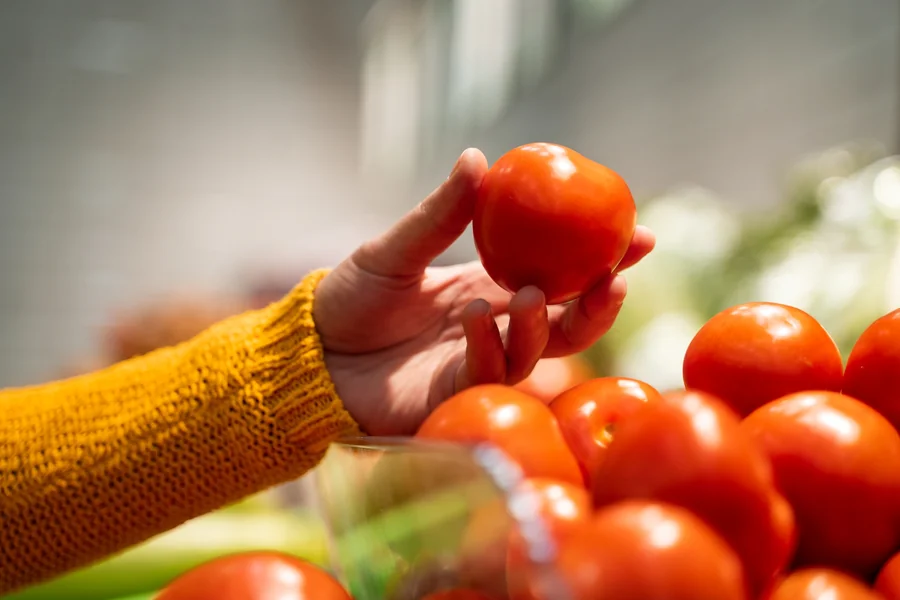
The organic grocery aisle inside a typical supermarket has always been a compromise. A small section, a limited selection, prices that carry the full retail premium plus the organic premium, and produce that has often travelled a long supply chain before arriving on the shelf. Households that wanted to actually eat organically used to spend significantly more time and money than the convenience-shopper equivalent. The infrastructure made the lifestyle expensive in both dimensions.
How Organic Grocery Delivery Services Work
That structural reality has shifted. Specialist organic grocery delivery services have rebuilt the supply chain underneath the organic category, sourcing directly from certified producers, capturing surplus and cosmetically imperfect produce that supermarkets reject for aesthetic reasons, and routing the product to households at price points that often undercut the supermarket equivalent. The mathematics changed. The organic shop is no longer the expensive one.
Health and Clinical Perspective on Organic Food
The clinical case for prioritising organic produce is more nuanced than the marketing makes it sound. The U.S. Environmental Protection Agency and the U.S. Department of Agriculture maintain pesticide tolerances for conventional produce, and the regulatory framework treats those tolerances as safe for the general population. The case for organic is partly about cumulative pesticide exposure, particularly for households with small children or pregnant adults, and partly about the agricultural systems that organic certification incentivises. Both reasons are defensible. Neither is the kind of dramatic clinical claim that the wellness press sometimes attaches to the category.
Convenience and Lifestyle Improvements
What has changed at the household level is the practical logistics. A subscription to a specialist delivery service replaces multiple errands per week with a single doorstep arrival. The household stops debating whether to pay the supermarket organic premium because the delivery model has narrowed or eliminated the premium. The variety expands because specialist services surface seasonal items and less common varieties that supermarkets do not stock. The waste at the household level drops because curated boxes deliver what was ordered rather than what was impulse-grabbed.
Sustainability and Environmental Impact
The sustainability dimension is real. Specialist services that source surplus and imperfect produce reduce the food waste contribution to landfill at supply-chain scale. The carbon impact of consolidated delivery routes is favourable compared to individual supermarket trips by car. Households that care about both the personal nutrition and the environmental footprint of their food spending get both improvements through the same intervention.
Budget and Household Spending Insights
There is also a cooking-culture shift that delivery services tend to produce in the households that adopt them. Subscription boxes that rotate with seasonal availability surface ingredients the household would not have searched for at the supermarket, and the natural response is to learn how to cook with them. Households that have used a delivery service for six months or longer consistently report a wider repertoire of vegetables in regular rotation than households that still shop at the supermarket. The behaviour change is small but compounding. Over a year, the household ends up eating more diverse, more nutrient-dense meals as a side effect of the supply chain change, not because anyone made a deliberate decision to do so.
The household budget angle deserves attention as well. Most households underestimate how much of their grocery spending leaves the supermarket as impulse purchase rather than planned consumption. The shift to a subscription model tends to expose how much of that impulse spending was effectively waste. After two or three monthly cycles the household typically settles into a clearer picture of what it actually consumes, and the budget conversation becomes more honest.
Final Thought
For health-conscious households still running on supermarket-organic logistics, the upgrade is one of the few interventions where the cost is similar or lower, the daily convenience is meaningfully better, and the cumulative environmental, nutritional and behavioural benefits stack up over time without requiring further effort.
FAQ
Is organic grocery delivery actually cheaper than supermarket organic?
For most households running a calibrated subscription, yes. Specialist supply-chain economics often produce a lower per-unit price.
What does organic certification actually mean?
Certified organic produce is grown under defined standards governing pesticides, fertilisers and soil management. The exact rules vary by certifying body.
Are delivery services suitable for households with allergies?
Most platforms support filtering by dietary preferences, allergens and certifications.
How fresh is delivered organic produce?
Specialist services typically ship within one to three days of harvest, which compares favourably with supermarket produce.
Darmowe spiny to najczestsza promocja przy automatach online. Znajdziesz je w pakietach powitalnych, ofertach tygodniowych i programach lojalnosciowych. Ich wartosc zalezy wylacznie od stawki na spin i warunkow nalozonych na wygrane.
Ile naprawde warte sa darmowe spiny
Pomnoz liczbe spinow przez stawke jednostkowa, a porownanie staje sie jasne. Gracze, ktorzy chca takiego zestawienia, moga bison casino pl i przeczytac wszystko w jednym miejscu. Uwazaj zwlaszcza na limit wygranej, bo niski limit po cichu odbiera sens duzemu pakietowi.
| Pakiet | Spiny | Stawka |
|---|---|---|
| Start | 50 | 0,20 |
| Weekend | 100 | 0,10 |
- Zobacz, do jakiej gry przypisano spiny
- Zapisz ewentualny limit wygranej
Uzyte rozsadnie, darmowe spiny to tani sposob, by wyprobowac nowa gre bez wlasnej stawki. Traktuj je jak zwiedzanie, a nie strategie. Zanotuj termin waznosci i przejdz dalej, gdy sie skoncza.