Why Women Are Rethinking Their Approach to Daily Multivitamins
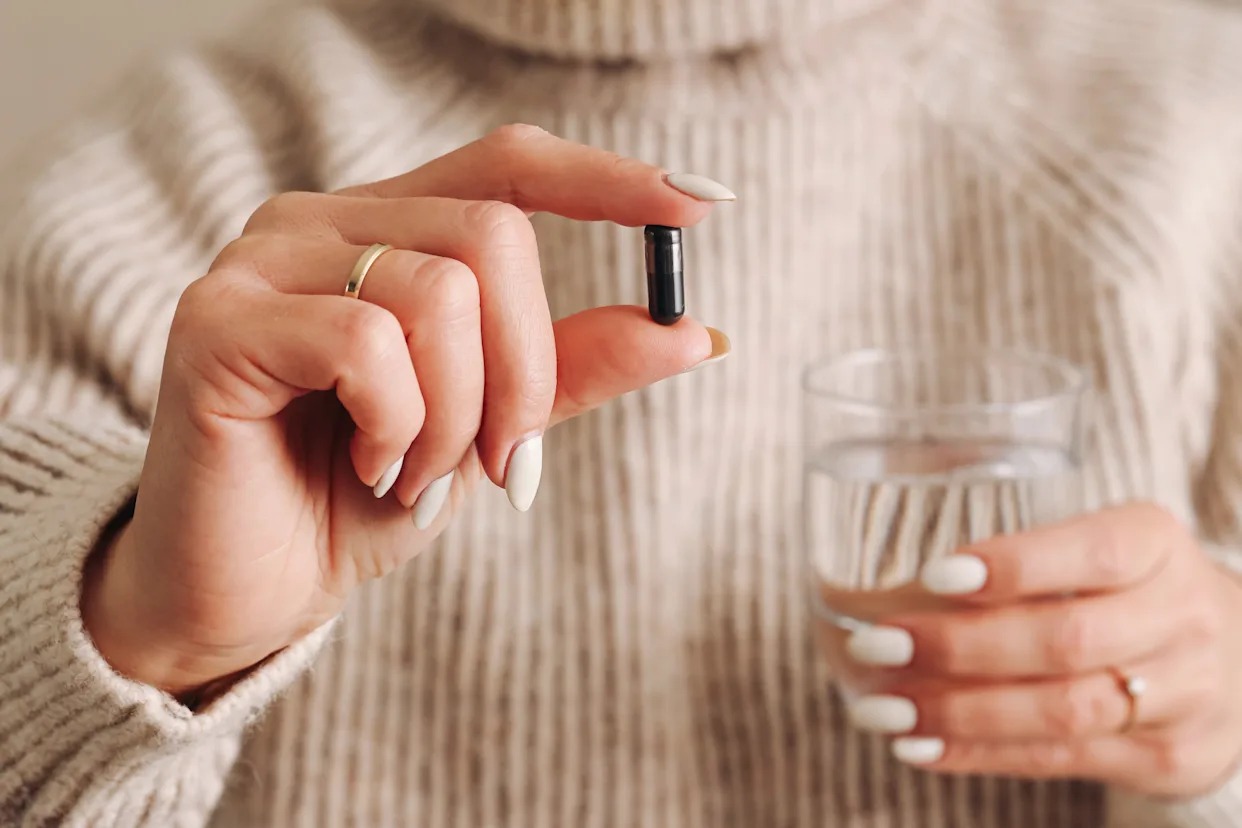
The daily multivitamin has been a fixture of wellness routines for decades, but the category has undergone a quiet revolution. Consumers are no longer satisfied with generic, undifferentiated formulas. They want a multivitamin for women that accounts for female physiology, uses forms of nutrients their bodies can actually absorb, and is formulated based on current nutritional science.
Women have distinct nutrient requirements that stem from physiological differences, hormonal cycles, and life stage transitions that men do not experience in the same way. During reproductive years, iron losses from menstruation require higher dietary iron intake. During and after menopause, shifting estrogen levels accelerate bone density loss, making calcium, vitamin D, and vitamin K more critical. Pregnancy and breastfeeding add another layer of elevated demands. A multivitamin designed for women accounts for these variations in a way that a generic formula cannot.
Vitamin D is consistently one of the most widespread deficiency nutrients in developed countries, and women are among the most affected groups. Low vitamin D has been associated with a range of health concerns, from bone density issues to immune dysregulation to mood changes. Supplementation is particularly important for those who live in northern latitudes, spend significant time indoors, or have darker skin tones that reduce sun-driven synthesis.
Magnesium is another nutrient where women frequently fall short. It supports hundreds of enzymatic processes in the body, including those related to energy metabolism, muscle function, and nervous system regulation. Chronic low magnesium has been associated with fatigue, sleep disruption, and increased frequency of headaches. Yet many multivitamins include only minimal amounts, or include forms of magnesium that are poorly absorbed.
B vitamins, particularly B12 and folate, are foundational for energy production and cellular health. Women who follow plant-based diets are at elevated risk for B12 deficiency since this vitamin is found almost exclusively in animal products. Including a highly bioavailable form of B12, such as methylcobalamin, ensures the vitamin is available for use without requiring conversion.
The immune-supportive role of a multivitamin has come into sharper focus in recent years. Vitamin C, zinc, and selenium each play documented roles in immune function, and consistent intake through both food and supplementation supports the body’s ability to respond to pathogens and recover from illness.
Choosing a women’s multivitamin based on bioavailability rather than just ingredient list length is the most reliable strategy for getting genuine benefit. A product with fewer, better-absorbed ingredients at clinically relevant doses will outperform a product with twenty nutrients in forms the body barely absorbs.
FAQ
Q: What nutrients are most important in a women’s multivitamin?
A: Iron, folate, vitamin D, calcium, magnesium, B12, and omega-3s are among the most important, with exact priorities shifting based on age, life stage, and dietary patterns.
Q: Is it better to take a multivitamin in the morning or evening?
A: With a meal is more important than the time of day. Fat-soluble vitamins absorb better with dietary fat, and food reduces the risk of stomach irritation from minerals like iron.
Q: Can I take a women’s multivitamin while pregnant?
A: Most standard women’s multivitamins are not formulated to meet the elevated demands of pregnancy. A dedicated prenatal supplement with higher folate, iron, and DHA levels is typically recommended during pregnancy.
Q: How do I know if my multivitamin is actually being absorbed?
A: Look for products using bioavailable nutrient forms, consider periodic blood testing to check levels of key nutrients like vitamin D and B12, and give the supplement at least 60 to 90 days to see changes in how you feel.
Q: Are gummy multivitamins as effective as capsule forms for women?
A: Gummies often contain fewer nutrients and are formulated without iron due to taste challenges. For women who need iron supplementation, gummy vitamins are typically not the best choice.