UTI Symptoms Are Not Something To Wait Out What To Do and How To Get Treated Fast
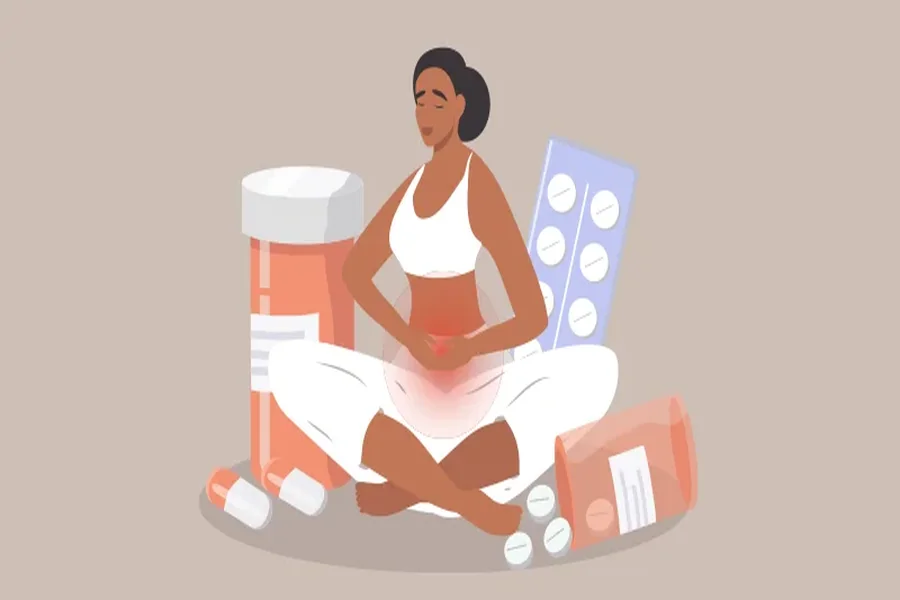
Urinary tract infections (UTIs) can cause uncomfortable symptoms that interfere with everyday activities, including working, sleeping, and traveling. Common signs include a burning sensation during urination, frequent urges to urinate, and discomfort in the lower abdomen. Although some symptoms may seem mild at first, a UTI should not be ignored. Recognizing the warning signs and seeking appropriate medical care early can help prevent complications and support a faster recovery.
Recognize the Common Symptoms of a UTI
UTI symptoms can vary depending on which part of the urinary tract is affected. Many people experience a frequent need to urinate, even when only a small amount of urine passes. Burning or pain during urination is another common symptom.
Other possible signs include cloudy urine, strong-smelling urine, lower abdominal discomfort, and blood in the urine. However, these symptoms can also occur with other conditions, so a healthcare professional may need to assess the cause. Fever, chills, pain in the back or side, nausea, or vomiting can indicate a potentially serious infection requiring urgent medical attention.
Why You Should Not Wait for Symptoms to Disappear
Some urinary symptoms may improve temporarily, but this does not guarantee that an infection has cleared. An untreated bacterial UTI can spread to the kidneys and potentially cause serious complications.
Seeking medical advice promptly is particularly important if symptoms are worsening, returning, or accompanied by fever or back pain. Pregnant individuals, children, men, and people with diabetes, weakened immune systems, or urinary tract problems should seek professional advice promptly when UTI symptoms develop.
How to Get UTI Treatment Quickly
Contact a healthcare professional as soon as you notice symptoms. Depending on your condition, a clinician may diagnose a UTI based on your symptoms and recommend a urine test or urine culture.
If bacteria are causing the infection, antibiotics are commonly prescribed. The appropriate medication depends on factors such as your medical history, symptoms, and local antibiotic resistance patterns. Take the prescribed medication exactly as directed and complete the recommended course unless your healthcare professional advises otherwise.
Avoid taking leftover antibiotics or using someone else’s medication. These approaches may delay effective treatment and contribute to antibiotic resistance. If symptoms worsen or do not begin improving within about 48 hours of starting treatment, contact your healthcare professional for reassessment.
What You Can Do While Waiting for Treatment
While arranging medical care, drink enough water to stay hydrated, unless you have been advised to restrict fluids. Avoid drinks that worsen bladder irritation, such as coffee or alcohol, if they increase your discomfort.
A warm compress over the lower abdomen may help ease discomfort. Rest when needed, and ask a pharmacist or healthcare professional about suitable pain relief based on your medical history. These measures can help manage symptoms, but they do not cure a bacterial infection.
Seek urgent medical care if you develop fever, chills, pain in your back or side, vomiting, or feel seriously unwell. Confusion, fainting, or difficulty breathing requires emergency attention.
Final Thoughts
UTI symptoms are not something to ignore or simply wait out. Early medical assessment, appropriate treatment, and attention to warning signs can help reduce discomfort and lower the risk of complications. If you suspect a UTI, contact a healthcare professional promptly rather than relying on home remedies alone. Getting the right treatment early is an important step toward recovery and protecting your urinary health.