The Evolution and Impact of Loudspeakers in Modern Society

The invention of the loudspeaker transformed how we experience sound, making it an indispensable component of today’s audio technology. Historically, the development of the electric loudspeaker in the early 20th century revolutionised sound reproduction, allowing us to disseminate audio widely and clearly. For anyone interested in the intricate legacy and technological nuances of the loudspeaker, understanding its evolution offers valuable insights into its current and future applications.
Historical Background and Technological Advances
The journey of the loudspeaker began with rudimentary devices designed to amplify sound. In the late 19th century, inventors experimented with various mechanisms to transmit audio, leading to the creation of the first prototype allowing electrically generated sound waves to be converted into audible sound. The subsequent decades saw the refinement of this technology, culminating in the modern loudspeaker systems ubiquitous in public and private spaces.
Key developments include the moving-coil speaker, which was introduced in the 1920s and formed the foundation of most contemporary designs. This innovation allowed for more efficient conversion of electrical signals into sound waves, vastly improving sound quality and volume. As materials and technology advanced, so did the sophistication of loudspeakers, integrating digital components and enhancing performance across various frequency ranges.
Types of Loudspeakers and Their Applications
Loudspeakers are now available in an array of types, each designed for specific uses, from high-fidelity home systems to compact mobile devices. The classification generally includes dynamic speakers, electrostatic speakers, planar magnetic speakers, and horn speakers, among others.
Dynamic speakers, the most common type, use a diaphragm attached to a coil of wire, with a magnetic field producing the audio sound waves. These are widely used in everything from personal audio devices to public address systems due to their robust and versatile nature.
Electrostatic speakers, meanwhile, offer superior sound quality, especially for high-frequency audio. They employ a thin, electrically charged diaphragm between two conductive plates to move air and produce sound. Planar magnetic speakers provide a middle ground, delivering high-fidelity audio with a broader range of sound reproduction capabilities.
Integration into Everyday Products
Over time, loudspeakers have been seamlessly integrated into everyday consumer and professional products, making high-quality audio experiences accessible to all. In recent years, the rise of smart technology has seen these devices incorporated into everything from smartphones to television systems, vastly improving the auditory aspects of multimedia content.
Moreover, the innovations in wireless technology have further revolutionised speaker design. Wi-Fi and Bluetooth connectivity allow speakers to deliver superior sound fidelity without the constraints of cables, creating versatile setups ideal for both personal and group listening experiences.
Challenges and Environmental Considerations
Despite their widespread use, the production and disposal of loudspeakers involve several environmental challenges. Manufacturing these devices requires specific materials, including plastics and metals which may not be environmentally sustainable. Additionally, electronic waste generation is an ongoing concern, as newer models frequently replace older ones.
Addressing these issues involves committing to the sustainable production practices and recycling old electronics. Manufacturers are increasingly focusing on using environmentally friendly materials and designing products that are easier to recycle for future use.
Future Trends in Loudspeaker Technology
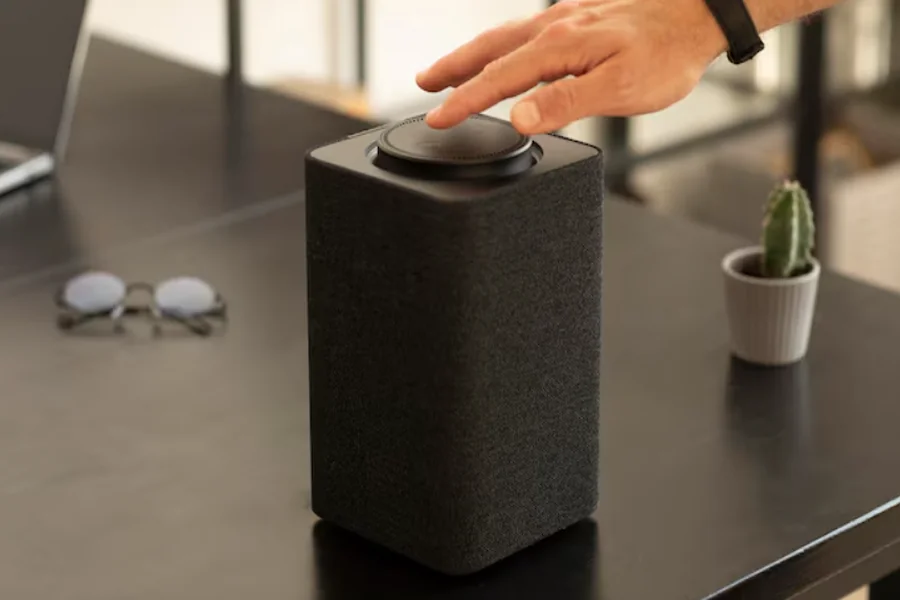
The future of loudspeakers is likely to be shaped by ongoing advancements in digital technology and artificial intelligence. The emergence of voice-activated speakers and smart home systems has set a precedent for the integration of AI within audio technology, allowing for more intuitive interaction between users and their devices.
Furthermore, immersive audio experiences are becoming increasingly relevant in both the entertainment industry and everyday listening. Technologies like spatial audio and virtual surround sound aim to replicate a more natural auditory environment, enhancing realism and depth in sound reproduction.
As research continues into new materials and electronics, the potential for novel loudspeaker designs remains vast. Continued innovation is expected to bring advancements in energy efficiency, sound quality, and user interactivity, setting the stage for even more profound developments in how we experience sound.