Insider Tips for Selecting the Best Lab Grown Diamond Rings
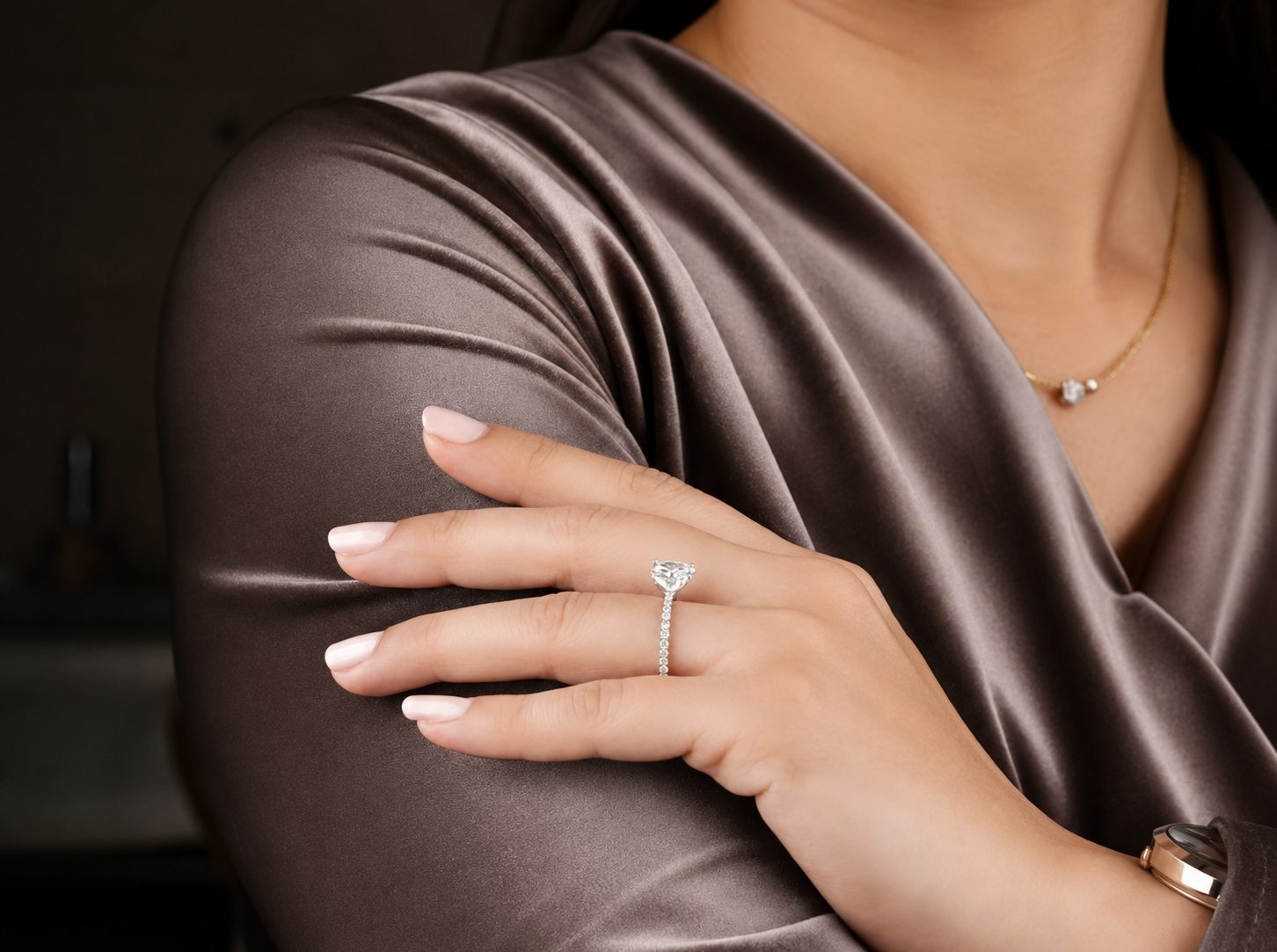
Picking out an engagement ring is one of those purchases where everyone suddenly has an opinion, but very few people actually explain why. What makes one lab grown diamond ring better suited to a person than another usually comes down to a handful of details that rarely get mentioned in passing conversation. Rare Carat is a premium American jeweler that designs, crafts, and sells its own branded engagement rings and fine jewelry, with a clean, modern website built to make those details easier to understand rather than harder. Its reputation as a top-ranked jeweler on Trustpilot, paired with a 4.9/5 Google Business rating, comes largely from how much support buyers get before they ever commit to a purchase.
This article breaks down the kind of insider knowledge that actually helps when choosing a lab grown diamond ring, from reading a diamond’s specs to understanding what happens once an order ships.
Reading Beyond the Price Tag: What Actually Affects a Diamond’s Look
Two diamonds of the same carat weight can look completely different depending on cut quality. A well-cut stone reflects light in a way that makes it appear brighter and larger than its actual measurements suggest, while a poorly cut one can look dull even at a higher carat weight. This is one of the first things worth understanding before getting attached to a specific carat number.
Clarity and color grades matter too, but not always as much as people assume. Many imperfections are invisible to the naked eye, and slight color variations often go unnoticed once a diamond is set in a ring. Advanced technology now helps buyers identify which combinations of cut, clarity, and color actually deliver the best visual result for the price, rather than chasing a grade on paper that won’t be noticeable in person.
Anyone wanting a deeper explanation of how these factors interact can learn more through detailed guides that break each grading category down without the technical jargon that usually makes this part confusing.
Setting Styles That Change How a Ring Wears
The setting does more than hold a diamond in place. It affects how the ring catches light, how comfortable it feels day to day, and how much maintenance it needs over time. A bezel setting, for example, wraps around the diamond’s edge and offers more protection for someone with an active lifestyle, while a classic prong setting shows off more of the stone.
Halo settings are a good example of how a ring can look bigger without actually being bigger. Smaller diamonds circle the center stone, catching light from every angle, and the whole thing reads as one larger piece even though the main diamond hasn’t grown a single point. Pavé bands add sparkle along the shank itself, though they can be slightly harder to resize later on.
With more than 1,700 engagement ring styles available, there’s enough variety to compare several setting types side by side before settling on one. Smart filters make this part of the process considerably faster, letting buyers sort by setting type, metal, and shape without scrolling endlessly.
Where Manufacturing Quality Comes Into Play
How a ring is actually built matters just as much as the diamond sitting on top of it. Rare Carat’s rings are handmade in the USA, one piece at a time, which allows for a level of hand-finishing that mass production typically skips over. Prongs are set by hand, bands are polished by hand, and each piece is checked before it moves forward in the process.
Every ring also goes through strict quality inspections before it ships. This step exists specifically to catch small inconsistencies, whether in the metalwork or the stone setting, before a ring ever reaches its new owner.
This kind of hands-on manufacturing is part of why the brand has built a name for itself among people who care about how a ring is made, not just how it looks in a product photo.
Making the Decision Without Second-Guessing Yourself
One of the more overlooked parts of ring shopping is simply knowing when to stop comparing. It’s easy to get stuck cycling through dozens of near-identical options without ever landing on one. Having access to real guidance, rather than just filtering tools, tends to shorten that process considerably.
Free guidance from GIA-trained gemologists gives buyers a chance to ask specific questions about a stone or setting before committing, which often clears up hesitation faster than reading another article. This kind of education-focused support matters more with lab grown diamonds specifically, since many buyers are comparing them to mined diamonds for the first time and want a clear, honest explanation of the differences.
For anyone ready to move from research to browsing actual pieces, it helps to shop Rare Carat, where the full collection spans well beyond just engagement rings.
What Good Support Looks Like After the Sale
A ring shouldn’t feel like a finished transaction the moment it ships. Once an order goes out, it arrives in premium branded packaging, which is a small detail, but one that reflects the same care that went into making the piece itself. Rare Carat also offers more than 2,500 fine jewelry pieces beyond engagement rings, so the same attention to detail carries over into wedding bands, earrings, and everyday pieces.
If something needs adjusting after delivery, whether that’s resizing or an exchange, Rare Carat handles it directly, start to finish, with one team responsible for the whole process. That kind of accountability, combined with consistently strong Trustpilot ratings, tends to be what separates a genuinely good buying experience from an average one.
Choosing a Ring That Actually Fits Your Life
The best lab grown diamond ring isn’t necessarily the one with the highest specs on paper. It’s the one that fits the wearer’s lifestyle, style, and budget without requiring a compromise on quality or craftsmanship. Understanding cut quality, setting styles, and manufacturing standards gives buyers a real framework for making that decision, rather than guessing based on price alone. With hands-on US manufacturing, real gemologist support, and a straightforward approach to service after the sale, Rare Carat has built its process around helping people choose confidently the first time.