8 Most Common Mistakes to Avoid During a Porch Building Project
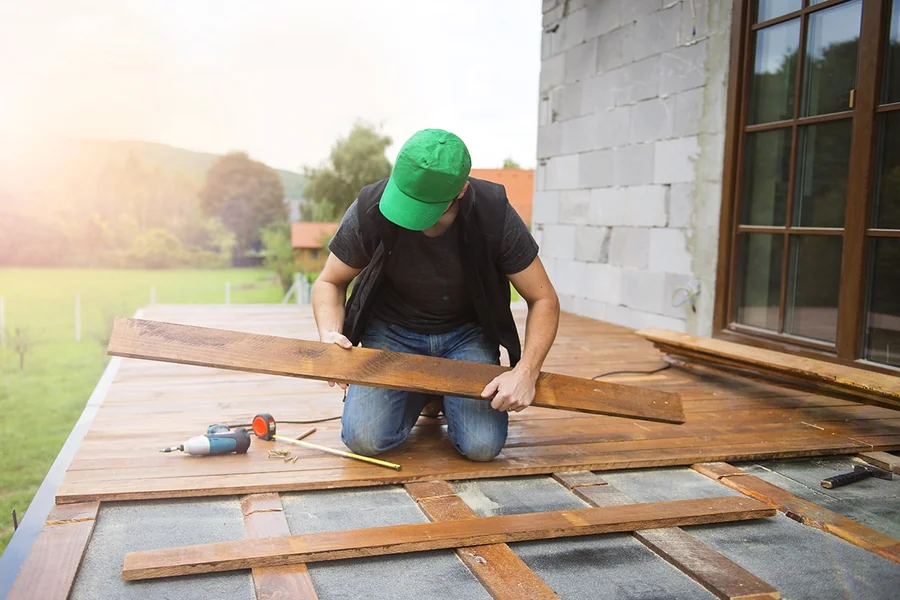
A porch can add comfort, character, and everyday functionality to your home, but getting it right takes more than just a good idea. Small planning mistakes can lead to delays, added costs, or a space that does not fully meet your expectations. Many homeowners start the process with a clear vision but overlook details that impact the final result. Taking the time to understand what to avoid can make the entire project more efficient and less stressful. In this article, East Nashville screen porch builders share eight of the most common mistakes to avoid during a porch building project.
1. Skipping proper planning and design
Jumping into construction without a clear plan can lead to issues that are difficult to fix later. A porch should feel like a natural extension of your home, not something that looks or functions separately. Layout, size, and how the space will be used all need to be considered early on. Without that planning, the final result may not meet expectations. Taking the time to design it properly sets the foundation for everything that follows.
2. Ignoring local building codes and permits
Every area has its own requirements when it comes to structure, safety, and placement. Overlooking permits or assuming they are not necessary can delay your project or lead to costly corrections. Building codes also ensure that your porch is safe and properly constructed. It is important to understand these guidelines before any work begins. Staying compliant helps avoid unnecessary setbacks.
3. Choosing the wrong size for your space
A porch that is too small can feel cramped, while one that is too large may overwhelm the home. Finding the right balance is key to making the space feel comfortable and functional. The size should match both your needs and the scale of your property. It is also important to think about furniture and how people will move through the area. Proper sizing helps the porch feel intentional rather than forced.
4. Overlooking how the porch connects to the home
A porch should flow naturally from the existing structure. If the transition feels awkward or disconnected, it can affect both appearance and usability. Entry points, floor height, and rooflines all play a role in how seamless the addition feels. Poor integration can make the porch seem like an afterthought. Thoughtful design helps create a more cohesive result.
5. Not planning for weather and exposure
Porches are constantly exposed to the elements, so durability matters. Sun, rain, humidity, and temperature changes all impact materials over time. Failing to account for these factors can lead to premature wear or ongoing maintenance issues. Covered or screened options can also affect how the space is used throughout the year. Planning for weather ensures the porch remains comfortable and long-lasting.
6. Focusing too much on appearance over function
While design is important, the porch still needs to work well for everyday use. Seating, circulation, and comfort should all be part of the planning process. A visually appealing space that is not practical will quickly lose its appeal. Balancing style with usability leads to better long-term results. The goal is a space that looks good and feels easy to use.
7. Using materials that do not match long-term needs
Material choices affect both maintenance and durability. Some options may look great initially but require more upkeep than expected. Others may not hold up well in certain climates or levels of use. It is important to choose materials that fit your lifestyle and how the porch will be used. Making the right choices early can prevent issues down the line.
8. Hiring without the right experience
Porch construction involves more than basic carpentry. Structural support and integration with the home require experience. Hiring a team without the right background can lead to mistakes that affect both safety and appearance. It is important to work with professionals who understand the full scope of the project. An experienced team helps ensure a smoother process and a better final result.
Darmowe spiny to najczestsza promocja przy automatach online. Znajdziesz je w pakietach powitalnych, ofertach tygodniowych i programach lojalnosciowych. Ich wartosc zalezy wylacznie od stawki na spin i warunkow nalozonych na wygrane.
Ile naprawde warte sa darmowe spiny
Pomnoz liczbe spinow przez stawke jednostkowa, a porownanie staje sie jasne. Gracze, ktorzy chca takiego zestawienia, moga bison casino pl i przeczytac wszystko w jednym miejscu. Uwazaj zwlaszcza na limit wygranej, bo niski limit po cichu odbiera sens duzemu pakietowi.
| Pakiet | Spiny | Stawka |
|---|---|---|
| Start | 50 | 0,20 |
| Weekend | 100 | 0,10 |
- Zobacz, do jakiej gry przypisano spiny
- Zapisz ewentualny limit wygranej
Uzyte rozsadnie, darmowe spiny to tani sposob, by wyprobowac nowa gre bez wlasnej stawki. Traktuj je jak zwiedzanie, a nie strategie. Zanotuj termin waznosci i przejdz dalej, gdy sie skoncza.