5 Ways to Speed Up Injury Recovery Through Targeted Physiotherapy
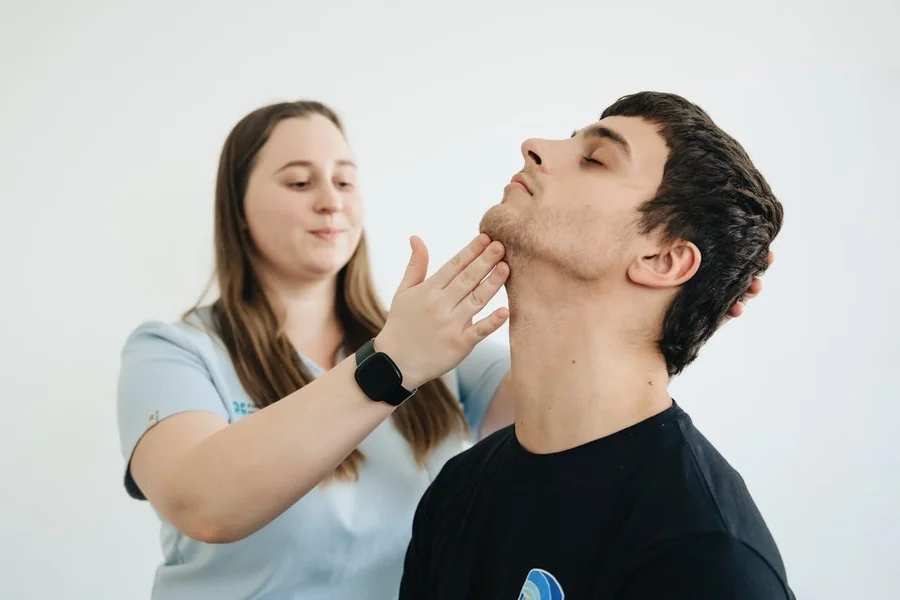
The journey from injury to full mobility is rarely a straight line. Whether you are dealing with a sports-related tear, a repetitive strain from office work, or a sudden accidental sprain, the body’s natural healing process can often be slow and frustrating. While rest is a vital component of recovery, passive waiting is often not enough to restore full functional strength. Targeted physiotherapy provides a proactive framework that not only manages pain but actively reconditions the body to prevent future setbacks.
Here are five ways that specialized physical therapy can accelerate your healing process and get you back to your daily routine faster.
1. Early Mobilization to Prevent Stiffness
One of the most common misconceptions about injury recovery is that the affected area should remain completely immobile until the pain is gone. In reality, prolonged inactivity can lead to joint stiffness and muscle atrophy, which complicates the eventual return to movement. Controlled, early mobilization—guided by a professional—helps maintain blood flow to the injured tissues. This increased circulation delivers oxygen and essential nutrients that are critical for cellular repair. By engaging in gentle, pain-free movements early in the process, you can prevent the formation of excessive scar tissue that often limits a person’s long-term range of motion.
2. Evidence-Based Modalities for Pain Management
Modern recovery goes beyond simple stretches; it utilizes advanced technology to manage the inflammatory response. Techniques such as ultrasound therapy, laser therapy, and electrical stimulation (TENS) are frequently used to reduce acute pain without a heavy reliance on medication. For residents seeking localized care, options like Cambridge Physiotherapy offer a comprehensive range of these modalities, integrating chiropractic insights with traditional movement therapy to address the root cause of discomfort. These treatments work at a cellular level to decrease swelling and desensitize irritated nerves, making it easier for the patient to progress to more active exercises.
3. Personalized Strengthening and Load Progression
An injury often creates a “weak link” in the kinetic chain. If you return to your normal activities without addressing this weakness, other parts of your body will overcompensate, leading to secondary injuries. A targeted recovery plan focuses on progressive loading—slowly increasing the weight or resistance a muscle can handle. This ensures that the tendons and ligaments are resilient enough to manage the stresses of daily life. Professionals providing Kitchener Physiotherapy emphasize this tailored approach, creating specific exercise programs that help individuals recapture their quality of life by focusing on functional movements unique to their personal goals and physical demands.
4. Correcting Biomechanical Imbalances
Sometimes, the injury itself is merely a symptom of a deeper mechanical issue, such as poor posture, an uneven gait, or muscle imbalances. A physiotherapist performs a detailed biomechanical assessment to see how your entire body moves as a unit. For instance, a knee injury might actually be caused by weak hip stabilizers or poor ankle mobility. By identifying and correcting these “upstream” or “downstream” issues, therapy ensures that the recovery is permanent. This holistic view of the body’s mechanics allows for a more efficient healing process, as the underlying strain is removed from the injured site.
5. Education and Neuromuscular Re-education
The final, and perhaps most important, way to speed up recovery is through education. Understanding how to move safely and how to interpret the body’s pain signals empowers the patient. Furthermore, neuromuscular re-education helps the brain “reconnect” with the injured area. After trauma, the nervous system often forgets how to properly fire certain muscles. Through proprioceptive training—such as balance exercises or stability work—physiotherapy restores the communication between the mind and the body. This sharpened coordination reduces the risk of re-injury and gives the patient the confidence to push their limits safely.
By shifting from a passive recovery mindset to an active, targeted approach, you can significantly reduce your downtime. Utilizing professional expertise ensures that every stretch, exercise, and treatment is working toward the ultimate goal of a stronger, more resilient version of yourself.