How Vintage Sewing Machines Shaped the Fashion World and Why They Still Matter
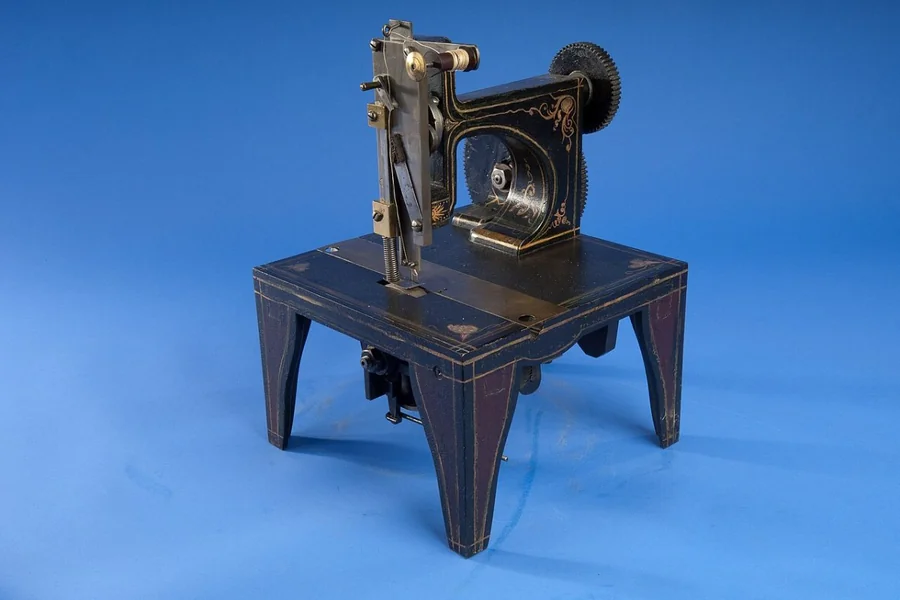
Fashion has always been inseparable from the tools used to create it. Before the industrial revolution, every stitch was made by hand, making even simple garments time-consuming and expensive. The invention and widespread adoption of the sewing machine changed everything, democratizing fashion in a way that few technologies have matched before or since. And today, the vintage machines that helped build the modern fashion industry are experiencing a well-deserved revival.
The Machine That Changed Fashion
The sewing machine as we know it became commercially viable in the mid-1800s. Within a few decades, it had transformed the garment industry from a cottage trade into a global enterprise. Clothes that once took days to produce could be finished in hours. Patterns could be reproduced at scale. Fashion became accessible to people who could never previously afford custom-made clothing.
Among the most iconic names in this revolution was Singer. Founded in 1851, Singer Manufacturing Company became synonymous with quality domestic sewing machines, producing models that found their way into homes across the world. Many of those machines are still in use today, a testament to the engineering quality that defined the brand for over a century.
Why Vintage Machines Still Have a Place in Fashion
For fashion students, independent designers, and serious home sewers, a vintage sewing machine represents something that many modern alternatives struggle to replicate: reliability, stitch precision, and longevity. The all-metal construction of machines produced between the 1930s and 1970s gives them a weight and stability that reduces vibration during use. Stitches are consistent and clean, and the mechanical simplicity means fewer things can go wrong.
Independent fashion designers who work with heavier fabrics like denim, canvas, or upholstery material often prefer vintage industrial-style machines precisely because of their power and durability. Even for lighter fabrics, many professional dressmakers report that vintage machines handle fabric more smoothly than their modern budget counterparts.
Sustainable Fashion and the Case for Buying Vintage
The fashion industry is one of the largest contributors to environmental waste globally. Fast fashion, in particular, has driven a culture of disposability that critics argue is unsustainable. Against this backdrop, the vintage machine movement aligns neatly with a growing interest in slow fashion: producing fewer items, of higher quality, that are designed to last.
Sewing your own clothes, or paying a skilled tailor or seamstress to make them, is one of the most direct ways to opt out of fast fashion. Doing so on a vintage machine that has already lasted decades, and will last decades more with proper maintenance, doubles down on that sustainability commitment.
Keeping a vintage machine operational requires periodic maintenance and occasional part replacements. Bobbins, presser feet, needles, feed dogs, and belts are all serviceable components that can be sourced from specialty suppliers without difficulty, extending the machine’s working life almost indefinitely.
The Fashion Student Perspective
Many fashion design programs still include sewing fundamentals in their curriculum, and instructors often encourage students to work with vintage machines to develop technique. There is a widespread belief in fashion education circles that learning on a machine without computerized assistance forces students to develop a deeper understanding of fabric behavior, tension management, and stitch construction.
Students who develop proficiency on vintage machines often find that transitioning to modern computerized models is straightforward, while the reverse is not always true. The tactile knowledge gained from working with mechanical machines creates a strong foundation for all future sewing work.
Frequently Asked Questions
What makes vintage sewing machines suitable for fashion work? Their all-metal construction, stitch consistency, and durability make them well-regarded among designers and dressmakers. They handle a wide range of fabrics reliably.
Are replacement parts for vintage sewing machines easy to find? Yes. Specialty retailers carry parts for most popular vintage models, including bobbins, presser feet, belts, and needle plates.
Is sewing your own clothes more sustainable than buying fast fashion? Generally yes. Making your own clothing reduces reliance on mass-produced garments and allows you to choose higher-quality, longer-lasting materials.
What types of projects are vintage machines best suited for? They excel at straight stitching on a wide range of fabric weights, from lightweight cotton to heavier denim and canvas. Some models also handle decorative stitches well.
How do I maintain a vintage sewing machine? Regular oiling of moving parts, keeping the machine covered when not in use, and replacing worn components as needed are the primary maintenance tasks.