How Modern Engineering Is Tackling Noise and Vibration in Industrial Environments
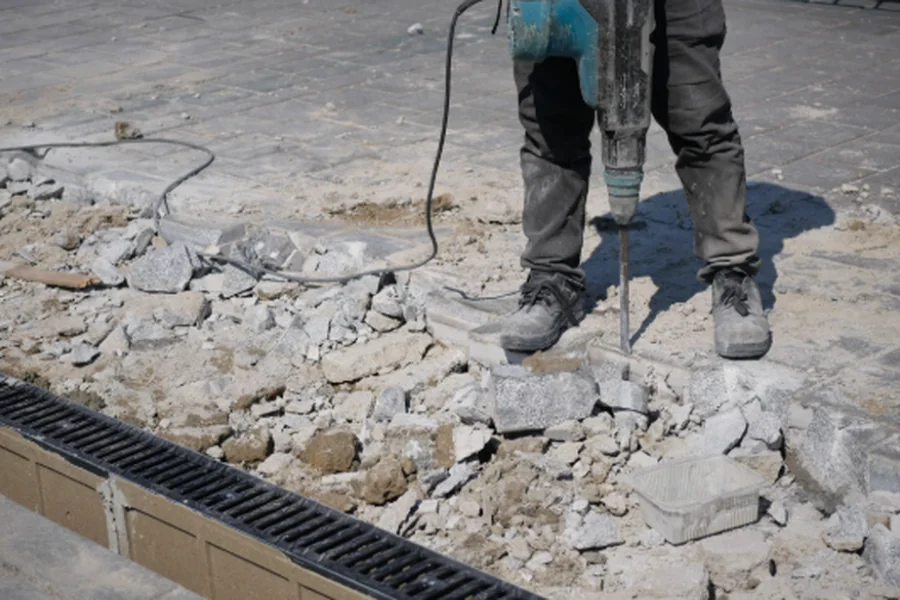
If you’ve ever stood next to a piece of heavy machinery, you’ll know the feeling. That deep, persistent hum that you can feel in your chest as much as you can hear it. For people who work around industrial equipment every day, that kind of noise and vibration isn’t just annoying. It can cause real problems, both for the people on site and for the equipment itself.
With workplace health and safety standards getting stricter and businesses looking for every possible way to cut unnecessary costs, managing noise and vibration has become something that more and more companies are starting to take seriously.
The Hidden Costs of Unchecked Vibration
Most people associate vibration with noise, and while the two often go hand in hand, vibration on its own can do a surprising amount of damage. Machines that vibrate excessively wear out faster. Bolts work themselves loose. Parts that should last for years end up needing replacement far sooner than expected. Over time, even the structures around the equipment, the floors, walls, pipework etc. can start to suffer.
The real sting comes when something breaks down unexpectedly. In a busy factory or processing plant, unplanned downtime can cost thousands of pounds per hour. When the root cause turns out to be something that could have been prevented with a bit of forward planning, it’s a tough pill to swallow.
Simple Vibration Solutions That Make a Big Difference
The good news is that tackling vibration doesn’t always require a massive overhaul. Often, the most effective fixes are surprisingly straightforward.
The first step is working out where the problem is coming from. Modern monitoring tools can help maintenance teams identify which machines are producing the most vibration and whether it’s getting worse over time. That kind of information makes it much easier to plan repairs before something actually fails.
Once you know where the vibration is coming from, the next step is stopping it from spreading. One of the most common ways to do this is by fitting anti vibration mounts between the machine and whatever surface it sits on. These mounts absorb the movement and stop it from travelling into the floor and the rest of the building. They’re used on everything from air conditioning units to large generators, and for what they cost, the return on investment is hard to argue with.
Beyond that, there are treatments that can be applied to panels, enclosures, and ductwork to stop them from rattling or amplifying noise. Sometimes it’s as simple as adding a layer of damping material to a sheet metal cover that’s been buzzing for months.
Choosing the Right Vibration Solution From the Start
One thing that experienced engineers will always tell you is that it’s far cheaper to design vibration out of a building or facility than it is to fix it after the fact. This can be done through vibration analysis and testing. Something as basic as where you place a heavy machine in a building can make an enormous difference. Put it on a ground-floor concrete slab and vibration is relatively easy to manage. Mount it on an upper floor with a lightweight steel frame, and you’ve created a problem that will follow you for years.
More companies are now thinking about these things at the planning stage rather than waiting until complaints start rolling in. It saves money, it saves time, and it saves a lot of headaches down the line.
The Impact of Vibration On People
There’s also a human side to all of this. In the UK, there are clear legal limits on how much vibration workers can be exposed to during a shift. Employers who don’t monitor and manage this risk can face serious consequences, from fines to legal claims.
But beyond the legal requirements, there’s a simpler argument, people do better work when they’re comfortable. A quieter, smoother-running workplace means fewer mistakes, less fatigue and happier staff. That’s not something you can easily put a number on, but most business owners will tell you it matters.
Vibration might not be the most glamorous topic in the world, but ignoring it is a false economy. The tools and solutions available today are more affordable and effective than ever. Whether it’s fitting the right mounts, choosing better equipment placement, or simply keeping a closer eye on how your machines are running, a little attention now can save a lot of trouble later.
Darmowe spiny to najczestsza promocja przy automatach online. Znajdziesz je w pakietach powitalnych, ofertach tygodniowych i programach lojalnosciowych. Ich wartosc zalezy wylacznie od stawki na spin i warunkow nalozonych na wygrane.
Ile naprawde warte sa darmowe spiny
Pomnoz liczbe spinow przez stawke jednostkowa, a porownanie staje sie jasne. Gracze, ktorzy chca takiego zestawienia, moga bison casino pl i przeczytac wszystko w jednym miejscu. Uwazaj zwlaszcza na limit wygranej, bo niski limit po cichu odbiera sens duzemu pakietowi.
| Pakiet | Spiny | Stawka |
|---|---|---|
| Start | 50 | 0,20 |
| Weekend | 100 | 0,10 |
- Zobacz, do jakiej gry przypisano spiny
- Zapisz ewentualny limit wygranej
Uzyte rozsadnie, darmowe spiny to tani sposob, by wyprobowac nowa gre bez wlasnej stawki. Traktuj je jak zwiedzanie, a nie strategie. Zanotuj termin waznosci i przejdz dalej, gdy sie skoncza.