In Japan, Fun Pays the Bills: The Collectible Craze Quietly Turning Pocket Change into Serious Revenue
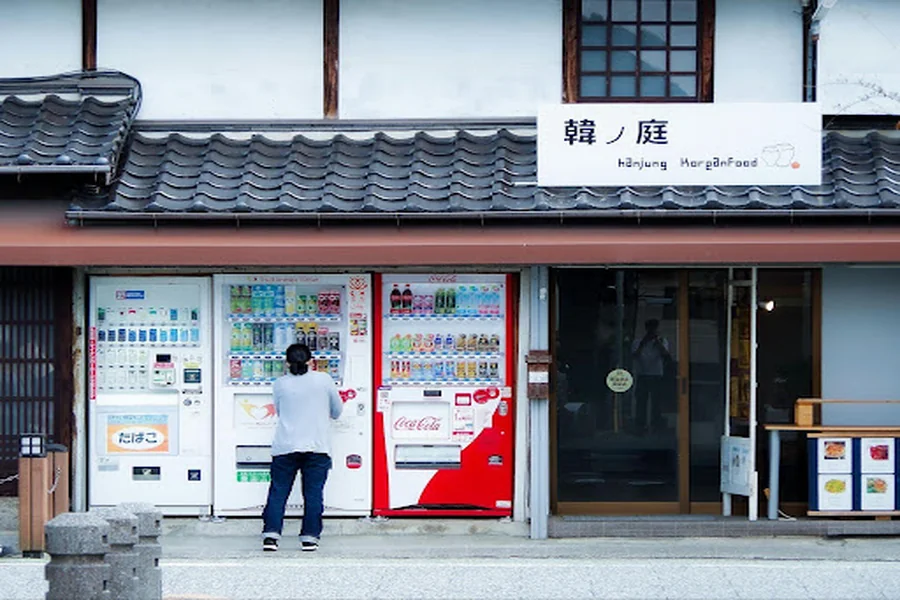
Introduction
There is a quiet genius in the way Japan turns everyday moments into opportunities. Not loud, not aggressive, and certainly not forced—just seamless, intuitive, and remarkably effective. Nowhere is this more evident than in its vending culture, where something as simple as a small coin can unlock not just a product, but an experience.
At first glance, it may seem trivial. A passerby drops a few coins into a machine, turns a knob, and receives a small capsule. Inside is a toy, a collectible, or a surprise item. It feels playful, almost nostalgic. But beneath that simplicity lies a powerful business model—one that has been refined over decades and quietly generates significant revenue across the country.
This is the world of Japanese collectible vending machines.
What Japan has mastered is not just the act of selling products, but the art of making the transaction itself enjoyable. And in doing so, it has created a system where fun and profit are not separate ideas, but two sides of the same coin.
For businesses and entrepreneurs around the world, the lesson is clear: when you combine emotion, experience, and accessibility, even the smallest purchase can become a powerful revenue driver.
The Psychology Behind the Purchase
To understand why Japanese collectible vending machines are so effective, you must first understand the psychology they tap into.
Humans are naturally drawn to anticipation and reward. The unknown has a magnetic pull. When there is an element of surprise, the experience becomes more engaging. It triggers curiosity, excitement, and even a sense of adventure. This is precisely what collectible vending machines deliver.
Unlike traditional retail, where the outcome is predictable, these machines introduce uncertainty in a controlled and enjoyable way. The customer knows they will receive something of value, but they don’t know exactly what it will be. This small twist transforms a simple transaction into a moment of discovery. That moment is powerful.
It creates a sense of delight that lingers beyond the purchase. It encourages repeat behavior. And it turns what might have been a one-time interaction into a habit.
In this way, Japanese collectible vending machines do more than sell products—they create experiences that customers want to revisit.
From Coins to Consistency
One of the most fascinating aspects of this model is how it converts low-cost transactions into consistent revenue streams.
Each individual purchase may seem insignificant. A few coins here, a small capsule there. But when multiplied across thousands of machines, in countless locations, throughout every hour of the day, the numbers become substantial.
This is the power of scale combined with repetition.
Japan has embraced this concept fully. Collectible vending machines are placed in high-traffic areas, where footfall is constant and diverse. Train stations, shopping centers, arcades, and even quiet residential streets become points of interaction.
The result is a steady flow of micro-transactions that accumulate into meaningful income.
For businesses, this model offers a different perspective on profitability. It shifts the focus from large, infrequent purchases to small, frequent ones. It demonstrates that revenue does not always require high price points—it requires consistent engagement.
The Influence of Culture and Innovation
The success of Japanese collectible vending machines is not just about clever placement or appealing products—it is deeply rooted in Japan’s culture and its relentless drive for innovation. In a society that values precision, design, and attention to detail, even the smallest object can carry meaning and delight. Collectibles are not viewed as trivial; they are carefully designed pieces that reflect artistry, creativity, and storytelling. This cultural appreciation elevates every interaction with a vending machine into a moment of curiosity and engagement.
Innovation plays an equally critical role. Japanese operators continuously refresh designs, introduce new series, and incorporate unique themes to keep the experience dynamic. Limited editions, rare items, and seasonal collections create anticipation and encourage repeat interaction, turning simple micro-transactions into sustained revenue. Each machine is a mini-stage, where experience and commerce intersect, making the act of purchasing both entertaining and rewarding.
This combination of cultural sensitivity and creative innovation has allowed Japanese collectible vending machines to remain relevant and profitable for decades. For businesses around the world, this model demonstrates a crucial lesson: success is not solely about the product, but about the experience and the story it conveys. When fun, culture, and innovation align, even pocket change can generate serious revenue.
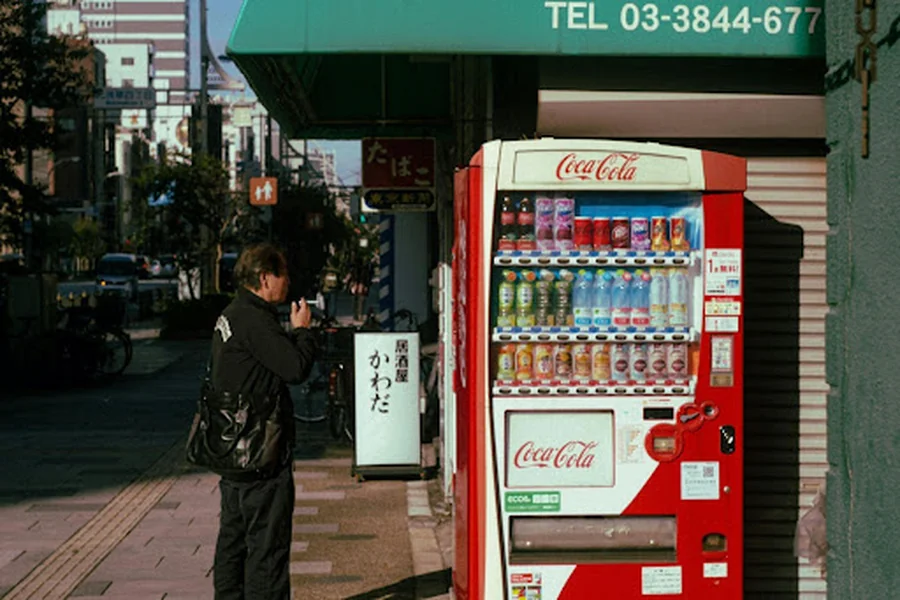
Global Potential and Growing Interest
Japan has long been the playground for innovative retail experiences, and few examples illustrate this better than Japanese collectible vending machines. What started as a simple way to sell toys and small trinkets has evolved into a sophisticated system that turns even pocket change into consistent revenue streams. These machines captivate consumers with surprise, collectibility, and design, transforming routine transactions into engaging experiences that keep customers coming back.
The success of these machines in Japan is not limited to novelty—it is built on strategy. High foot traffic locations, carefully curated product selections, and visually appealing designs ensure that each interaction is not only enjoyable but profitable. Millennials, Gen Z, and collectors alike are drawn to the excitement of the unknown, making the model both timeless and resilient.
What’s even more compelling is the global potential. As consumer behavior shifts toward convenience, immediacy, and experiential shopping, Japanese collectible vending machines are being recognized internationally as more than just entertainment—they are a viable retail solution. From shopping malls to airports and entertainment centers, businesses are exploring these machines as a way to capture micro-transactions while engaging customers in a unique, memorable way.
The takeaway is clear: what works in Japan can succeed anywhere. Fun, when paired with strategy and design, has the power to turn even the smallest purchase into serious revenue.
Conclusion
Japanese collectible vending machines are more than a cultural curiosity—they are a masterclass in turning simplicity into profit. What appears on the surface as a playful transaction is actually a carefully orchestrated blend of psychology, design, and strategy. These machines leverage human curiosity, the thrill of collectibility, and the joy of surprise to create experiences that are as engaging as they are profitable. Every turn of the knob is a moment of anticipation, a micro-interaction that builds loyalty and encourages repeat visits.
The success of these machines demonstrates that revenue doesn’t always come from high-value purchases or complex retail setups. Instead, consistent engagement, thoughtful placement, and experiential design can transform even small interactions into meaningful returns. Japanese collectible vending machines show that when fun is integrated into commerce, it becomes a powerful driver of both brand connection and customer behavior.
For businesses and entrepreneurs looking for innovative ways to capture attention and generate income, the lesson is clear. What Japan has perfected can inspire global adoption: design experiences that delight, surprise, and reward. Fun is not a distraction—it is a strategy. And as Japanese collectible vending machines prove, when done right, it has the power to turn even the simplest moments into significant opportunity.
In the end, the success of Japanese collectible vending machines is not just about vending. It is about vision. It is about seeing opportunity where others see simplicity.
Because when you get it right, even pocket change can become serious revenue.
Darmowe spiny to najczestsza promocja przy automatach online. Znajdziesz je w pakietach powitalnych, ofertach tygodniowych i programach lojalnosciowych. Ich wartosc zalezy wylacznie od stawki na spin i warunkow nalozonych na wygrane.
Ile naprawde warte sa darmowe spiny
Pomnoz liczbe spinow przez stawke jednostkowa, a porownanie staje sie jasne. Gracze, ktorzy chca takiego zestawienia, moga bison casino pl i przeczytac wszystko w jednym miejscu. Uwazaj zwlaszcza na limit wygranej, bo niski limit po cichu odbiera sens duzemu pakietowi.
| Pakiet | Spiny | Stawka |
|---|---|---|
| Start | 50 | 0,20 |
| Weekend | 100 | 0,10 |
- Zobacz, do jakiej gry przypisano spiny
- Zapisz ewentualny limit wygranej
Uzyte rozsadnie, darmowe spiny to tani sposob, by wyprobowac nowa gre bez wlasnej stawki. Traktuj je jak zwiedzanie, a nie strategie. Zanotuj termin waznosci i przejdz dalej, gdy sie skoncza.