The Most Common Shower Remodeling Mistakes in Dracut, MA Homes
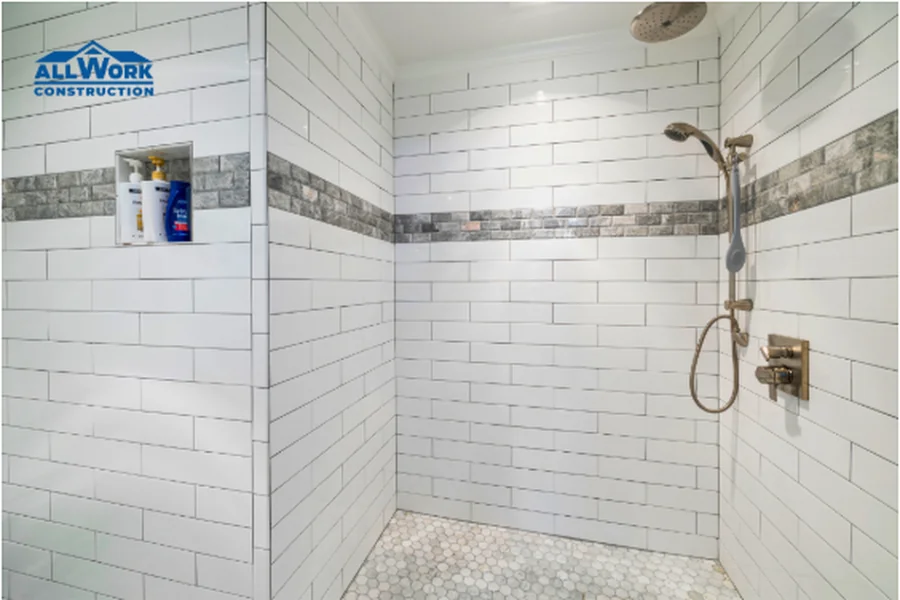
Shower remodels seem simple at first.
Compared to a full bathroom renovation, they feel smaller, easier to manage, and less overwhelming.
That assumption is usually where the problems begin.
Because showers are one of the most heavily used parts of the bathroom, small design mistakes become noticeable very quickly. What looks good in photos can feel frustrating after a few weeks of actual use.
And in many older homes around Dracut, the structure behind the shower creates limitations homeowners don’t fully notice until construction begins.
The result is that some shower remodels end up looking updated without actually improving comfort, movement, or long-term durability.
Choosing the Wrong Shower Size for the Space
One of the most common mistakes is trying to maximize shower size without considering how it affects the rest of the bathroom.
Bigger isn’t always better.
A shower that dominates the room can:
- reduce movement
- tighten vanity spacing
- create awkward door clearance
- make the bathroom feel crowded overall
This happens frequently in compact New England bathrooms where every inch matters more than homeowners initially expect.
A strong shower remodel balances comfort with flow instead of focusing only on dimensions.
Prioritizing Appearance Over Function
Some remodels are built almost entirely around visual trends.
Large-format tile. Frameless glass. Matte black fixtures.
None of those are bad decisions on their own.
The problem happens when functionality becomes secondary.
A beautiful shower that:
- lacks storage
- drains poorly
- feels cold
- traps moisture
- or becomes difficult to clean
will eventually feel disappointing regardless of how modern it looks.
That’s why experienced contractors approach bath remodeling Dracut projects differently than purely design-driven remodels.
The goal is daily usability first, aesthetics second.
Ignoring Water Containment and Drainage
This is one of the least visible mistakes during construction and one of the most expensive later.
Improper shower slope, weak waterproofing, or poor drainage planning can create long-term moisture problems behind walls and beneath flooring.
Homeowners usually don’t notice immediately.
The problems appear slowly:
- persistent moisture
- grout deterioration
- mildew growth
- hidden water damage
A shower remodel should never focus only on surfaces. What sits underneath matters far more long-term.
Skipping Built-In Storage
At first, homeowners often assume built-in niches are optional.
Then the remodel is finished, and shampoo bottles start collecting on corners, shelves, and temporary racks.
The shower still works.
It just never feels fully finished.
Built-in storage solves this quietly by integrating functionality into the layout instead of adding clutter afterward.
It’s a small planning detail that affects the shower every single day after installation.
Poor Lighting Inside the Shower Area
Lighting decisions often happen late in the project.
Sometimes too late.
The main bathroom lighting may look fine overall while the actual shower area feels darker than expected.
This becomes especially noticeable in bathrooms with the following:
- darker tile
- enclosed layouts
- limited natural light
A shower should feel open and comfortable, not visually compressed.
Thoughtful lighting placement changes the atmosphere far more than homeowners usually realize during planning.
Using Materials That Don’t Age Well
Some materials photograph beautifully but become difficult to maintain over time.
Textured surfaces can trap residue. Certain grout choices discolor faster. Some fixtures show water spots constantly.
The issue usually isn’t appearance on day one.
It’s appearance after two years of daily use.
That’s why durable material selection matters heavily in bathroom remodel Dracut projects, especially in homes where humidity levels fluctuate seasonally throughout the year.
Forgetting About Ventilation
Showers create more moisture than any other part of the bathroom.
Without strong ventilation, humidity lingers longer than it should.
That affects:
- paint
- drywall
- grout
- air quality
- long-term durability
Older homes in Dracut often have ventilation systems that were never designed for modern shower usage.
A remodel becomes the best opportunity to improve that infrastructure properly.
Skipping it usually becomes noticeable later.
Choosing the Wrong Glass Configuration
Glass shower enclosures can dramatically improve the look of a bathroom.
But poor placement or sizing creates new frustrations.
Doors may interfere with movement. Cleaning becomes difficult. Water escapes more easily than expected.
Sometimes a simpler glass configuration works far better than a more elaborate one.
The strongest shower remodels usually feel intentional, not overdesigned.
Underestimating How Much Daily Routine Matters
A shower may only occupy part of the bathroom physically, but it affects the entire routine around it.
Where are towels placed?
How easily does the door open?
Can two people move comfortably in the room?
These small interactions matter more long-term than homeowners initially think.
That’s why planning around real usage patterns is often more important than copying design inspiration directly.
Trying to Force Luxury Into a Tight Layout
This happens constantly.
Homeowners try to recreate large luxury shower designs inside smaller bathrooms.
Rainfall systems, oversized benches, multiple fixtures, and thick glass partitions.
The problem isn’t luxury itself.
The problem is scale.
Features designed for larger layouts often overwhelm compact spaces and reduce overall comfort instead of improving it.
In smaller bath remodeling Dracut projects, restraint usually produces better results than overbuilding.
Rushing the Planning Stage
Many shower remodeling problems begin before construction even starts.
Decisions happen too quickly.
Materials are selected before the layout is finalized. Plumbing considerations come later. Waterproofing discussions stay vague.
Then adjustments become necessary during construction, which creates delays, cost increases, or compromised decisions.
The smoother remodels are usually the ones where planning moved slower upfront.
Why Older Homes Require More Flexible Shower Design
Newer homes often allow more predictable remodeling conditions.
Older homes don’t.
Framing inconsistencies, uneven walls, plumbing limitations, and previous renovations all influence what’s realistic.
That’s why shower remodeling in older Massachusetts homes requires adaptation instead of rigid design expectations.
The layout should respond to the structure instead of fighting against it.
What Experienced Remodelers Pay Attention To
Teams like All Work Construction often focus less on dramatic visual upgrades and more on the small details homeowners will notice every day afterward.
How the shower feels entering it.
How moisture moves through the room.
How comfortable the spacing feels long-term.
Those details rarely stand out during construction.
But they define the finished experience once the project is complete.
The Best Shower Remodels Usually Feel Effortless
Interestingly, the strongest remodels rarely feel complicated.
Nothing gets in the way.
Nothing feels oversized.
Nothing requires extra adjustment to use comfortably.
The shower simply fits the room naturally.
That balance is usually what separates a remodel that still feels good years later from one that starts feeling frustrating much sooner than expected.
Final Thoughts
Most shower remodeling mistakes in Dracut homes don’t come from bad intentions.
They come from focusing too heavily on appearance while underestimating how much layout, infrastructure, and daily functionality actually matter.
A successful remodel doesn’t just modernize the shower visually.
It improves how the entire bathroom feels to use over time.
And in most cases, the best results come from thoughtful planning long before tile installation ever begins.
Darmowe spiny to najczestsza promocja przy automatach online. Znajdziesz je w pakietach powitalnych, ofertach tygodniowych i programach lojalnosciowych. Ich wartosc zalezy wylacznie od stawki na spin i warunkow nalozonych na wygrane.
Ile naprawde warte sa darmowe spiny
Pomnoz liczbe spinow przez stawke jednostkowa, a porownanie staje sie jasne. Gracze, ktorzy chca takiego zestawienia, moga bison casino pl i przeczytac wszystko w jednym miejscu. Uwazaj zwlaszcza na limit wygranej, bo niski limit po cichu odbiera sens duzemu pakietowi.
| Pakiet | Spiny | Stawka |
|---|---|---|
| Start | 50 | 0,20 |
| Weekend | 100 | 0,10 |
- Zobacz, do jakiej gry przypisano spiny
- Zapisz ewentualny limit wygranej
Uzyte rozsadnie, darmowe spiny to tani sposob, by wyprobowac nowa gre bez wlasnej stawki. Traktuj je jak zwiedzanie, a nie strategie. Zanotuj termin waznosci i przejdz dalej, gdy sie skoncza.