What Your Garage Door Says About Your Home’s Security
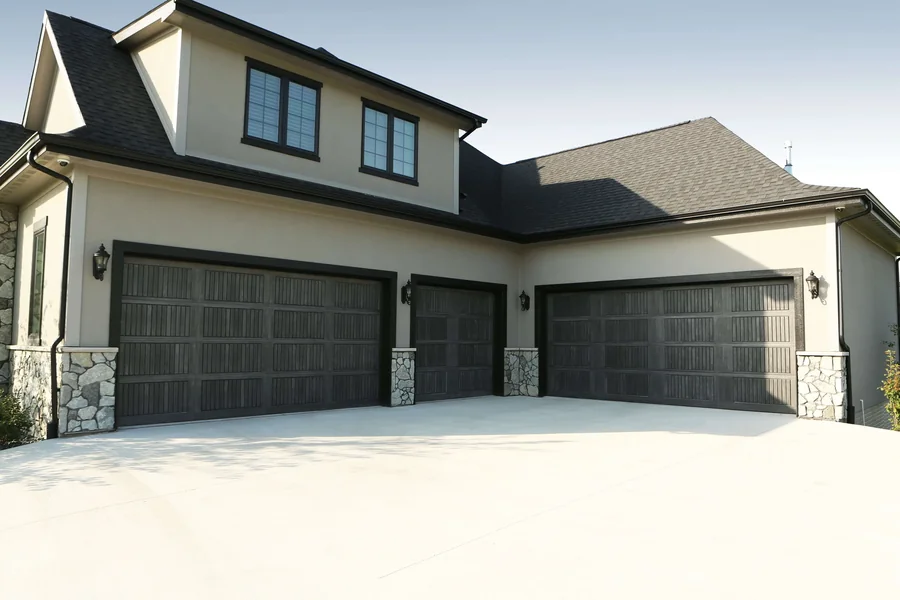
Your garage door can reveal a lot about how protected your home really is. If it is damaged, noisy, slow to close, or easy to force open, it may be giving intruders an opportunity before you even realize there is a problem. Since many garages connect directly to the home, even a small issue can become a larger security concern. That is why it is important to maintain your garage door before wear, damage, or outdated parts make your property more vulnerable.
Does your garage door fully close and seal?
A garage door that does not close all the way is one of the most obvious security gaps. Even a small opening can be enough for someone to pry the door open or gain visibility into what is stored inside. Gaps along the bottom or sides can also signal worn weather stripping or alignment issues.
Beyond security, a poor seal can let in moisture, pests, and outside air, all of which slowly affect the condition of the garage and anything inside it. A properly closing door should sit flush with the ground and frame, without resistance or hesitation.
Is your garage door making unusual noise?
Noise is often dismissed as a minor inconvenience, but it can point to underlying problems. Grinding, squeaking, or rattling sounds usually indicate worn components like rollers, hinges, or tracks.
From a security standpoint, these issues matter because they can lead to sudden failure. A door that jams halfway or struggles to open and close consistently is far easier to manipulate or force. Smooth, quiet operation is not just about comfort. It is a sign that the system is functioning as it should.
How quickly does your garage door respond?
A delayed or inconsistent response when opening or closing your garage door can be more than frustrating. It may point to issues with the opener, sensors, or electrical connections.
If the door hesitates, stops midway, or requires multiple attempts to operate, it creates uncertainty. You may assume the door is closed when it is not fully secured. Reliable, immediate response is key to making sure your garage is not left exposed without you noticing.
Are the locking mechanisms doing their job?
Not all garage doors rely on the same type of locking system. Some depend on the opener itself to hold the door in place, while others include manual locks for added security.
If the locking mechanism is outdated, damaged, or rarely used, it may not provide the level of protection you expect. A secure garage door should resist forced entry and stay firmly in place when closed. If it feels loose or easy to lift manually, it is worth taking a closer look.
What condition are the tracks and springs in?
Tracks and springs play a major role in how stable and secure your garage door is. Bent tracks or worn springs can cause uneven movement, leaving gaps or making the door easier to push out of position.
Springs, in particular, handle the weight of the door. When they weaken, the system becomes unpredictable. This not only increases the risk of breakdowns but can also compromise how securely the door stays closed.
Is your garage door opener up to date?
Older garage door openers may lack modern security features. Some still use outdated signal systems that can be intercepted or duplicated, making unauthorized access easier than most homeowners realize.
Newer systems often include rolling code technology, which changes the access code each time the remote is used. They may also offer smartphone control, activity tracking, and alerts. While not every home needs the latest technology, relying on outdated equipment can create unnecessary risk.
Does the door show visible wear or damage?
Dents, cracks, and general wear can affect more than just appearance. Physical damage can weaken the structure of the door, making it easier to force open or bypass.
Even small issues can grow over time. What starts as a cosmetic flaw may eventually impact how the door aligns, closes, or locks. Keeping the door in good condition helps maintain both security and reliability.