Efficient Cladding for Durable Building Design
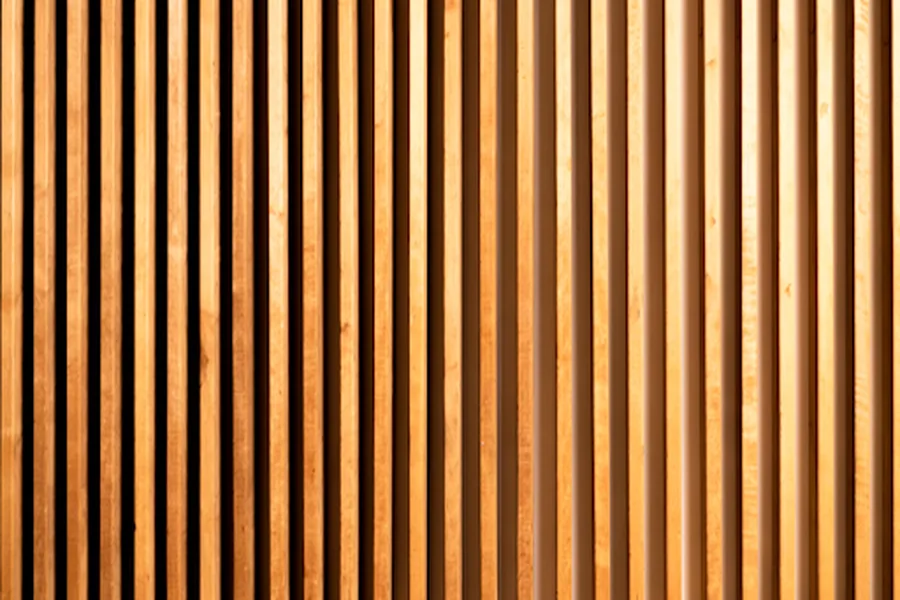
Wood exterior panels are widely used in construction as a functional and adaptable cladding option. They serve as an outer layer that protects structures from environmental exposure while supporting overall design. These panels combine natural material properties with engineered processing, making them suitable for both residential and commercial buildings. As construction standards shift toward efficiency and durability, wood exterior panels remain a consistent choice.
Manufacturers produce wood exterior panels using solid timber, engineered wood, or composite systems. Engineered panels are commonly treated to improve resistance to moisture, insects, and decay. This treatment enhances their stability compared to untreated wood, reducing the risk of warping or cracking. Composite variants may combine wood fibers with resins to further strengthen performance and extend service life. These options allow builders to select materials based on project requirements and environmental conditions.
Installation efficiency is one of the main reasons these panels are used. Many systems are prefabricated and cut to standard dimensions, allowing for quicker assembly on-site. Interlocking or panelized designs help ensure proper alignment and reduce installation errors. This can lower labor costs and improve construction timelines. The consistent sizing of panels also supports better planning and material management throughout the project.
Wood exterior panels can contribute to building insulation when integrated with appropriate wall systems. While wood has natural insulating properties, it is often paired with additional insulation layers to improve thermal performance. This combination helps regulate indoor temperatures and reduces energy use for heating and cooling. Proper installation, including moisture barriers and ventilation, is essential to maintain performance over time.
Design flexibility is another key feature. Wood exterior panels are available in a variety of finishes, textures, and colors. They can be installed horizontally, vertically, or in custom patterns depending on the architectural design. Some panels are manufactured to maintain a consistent appearance, while others highlight natural grain variations. This range of options allows designers to meet different visual requirements without changing the core material.
Durability depends on material quality and treatment. Treated wood panels are designed to withstand exposure to rain, sunlight, and changing temperatures. Protective coatings and sealants help prevent moisture penetration and surface wear. While wood is more sensitive to environmental factors than some synthetic materials, modern processing methods have improved its resistance and reliability. Regular inspection helps identify early signs of wear and supports long-term use.
At the center of material selection, builders often evaluate wood exterior panels as a balanced option for performance and appearance. Their structured design and treated surfaces make them suitable for projects that require both function and a natural finish.
Maintenance is an important consideration. Wood exterior panels typically require periodic sealing, staining, or painting to maintain their condition. Routine cleaning helps remove dirt and prevent buildup that could affect the surface. Compared to low-maintenance materials such as vinyl or metal, wood panels require more attention, but consistent care can extend their lifespan and preserve their structural role.
Sustainability plays a role in the use of wood-based materials. When sourced from managed forests, wood is a renewable resource. Some manufacturers follow certification standards to ensure responsible production. Engineered panels may also use recycled wood fibers, reducing waste. In addition, the long service life of treated panels can limit the need for frequent replacement, supporting efficient material use.
Wood exterior panels can be adapted to different climates with proper preparation. In humid regions, moisture-resistant treatments and ventilation systems help reduce the risk of rot. In areas with temperature variation, engineered panels provide better dimensional stability than solid wood. These adjustments allow the panels to perform consistently in varying conditions.
In conclusion, wood exterior panels offer a functional and adaptable solution for building exteriors. They support efficient installation, design flexibility, and reliable performance when properly treated and maintained. While they require regular upkeep, their natural composition and engineered improvements make them suitable for a wide range of construction applications.
Darmowe spiny to najczestsza promocja przy automatach online. Znajdziesz je w pakietach powitalnych, ofertach tygodniowych i programach lojalnosciowych. Ich wartosc zalezy wylacznie od stawki na spin i warunkow nalozonych na wygrane.
Ile naprawde warte sa darmowe spiny
Pomnoz liczbe spinow przez stawke jednostkowa, a porownanie staje sie jasne. Gracze, ktorzy chca takiego zestawienia, moga bison casino pl i przeczytac wszystko w jednym miejscu. Uwazaj zwlaszcza na limit wygranej, bo niski limit po cichu odbiera sens duzemu pakietowi.
| Pakiet | Spiny | Stawka |
|---|---|---|
| Start | 50 | 0,20 |
| Weekend | 100 | 0,10 |
- Zobacz, do jakiej gry przypisano spiny
- Zapisz ewentualny limit wygranej
Uzyte rozsadnie, darmowe spiny to tani sposob, by wyprobowac nowa gre bez wlasnej stawki. Traktuj je jak zwiedzanie, a nie strategie. Zanotuj termin waznosci i przejdz dalej, gdy sie skoncza.