The Complete Guide to Rainwater Harvesting with Your Gutter System
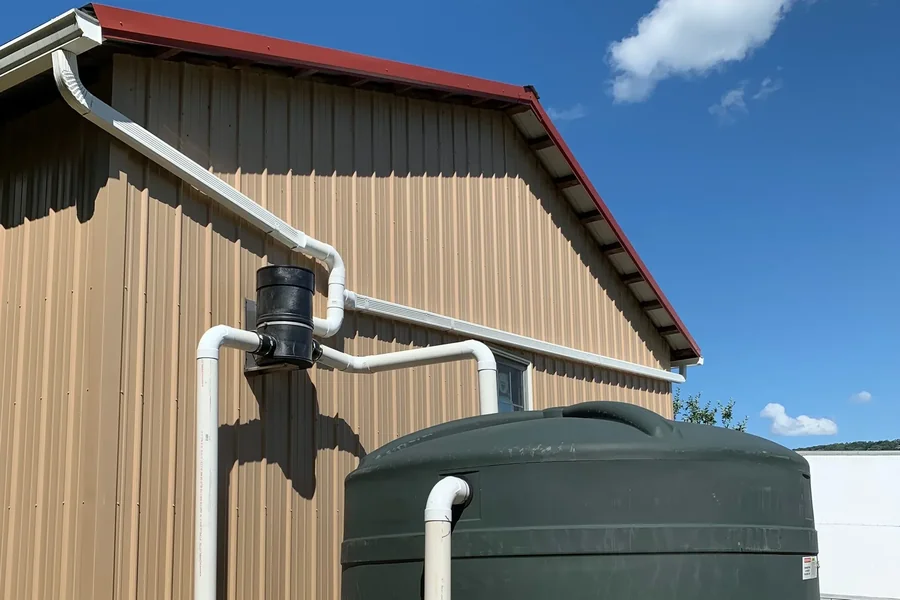
With municipal water rates climbing year after year and droughts affecting more regions across the United States, homeowners are searching for smarter, more sustainable ways to manage water usage. One time-tested solution has quietly returned to the spotlight: rainwater harvesting. The best part? You likely already have the most important component installed on your home—your gutters. When designed and maintained correctly, a gutter system becomes the backbone of an efficient rainwater collection setup, turning every storm into an opportunity to save money and protect the planet.
What Is Rainwater Harvesting?
Rainwater harvesting is the process of capturing, filtering, and storing rain that falls on your roof so it can be reused for irrigation, cleaning, laundry, or—with proper treatment—even drinking. A rainwater harvesting system reduces dependence on municipal supplies, lowers utility bills, and supports local ecosystems by minimizing stormwater runoff.
Once considered mostly a rural practice, residential rainwater collection is now one of the fastest-growing eco-friendly home solutions in America. Rising awareness of sustainable water use, combined with tax incentives in many states, has encouraged homeowners to adopt it as a practical form of water conservation at home.
How Gutter Systems Support Rainwater Harvesting
Your roof can capture hundreds of gallons of water during a single storm—but without gutters, that water simply splashes off and disappears into the soil (or worse, pools around your foundation). Gutters for rainwater collection channel every drop toward a single, controlled exit point.
A well-designed gutter downspout system ensures water flows smoothly from the roof to storage, without leaks, overflow, or debris buildup. Proper slope, sealed seams, and correctly positioned downspouts are what separate an efficient roof water collection system from a leaky, inefficient one. Seamless gutters, in particular, minimize joints where leaks can form, making them ideal for harvesting.
Components of a Rainwater Harvesting System
A complete rainwater harvesting system for homes typically includes:
- Gutters: Capture water from the roof surface.
- Downspouts: Direct water from gutters to storage.
- Gutter filtration system: Screens, mesh guards, or inline filters that keep leaves, twigs, and pests out.
- Rain barrels or storage tanks: Hold collected water for later use (common sizes range from 50 to 500+ gallons).
- First flush diverter (optional): An advanced component that discards the first few gallons of dirty runoff, so cleaner water reaches storage.
- Overflow outlet: Redirects excess water safely away from your foundation during heavy storms.
Together, these pieces form a closed loop that captures, cleans, and stores rainwater efficiently.
How to Set Up Rainwater Harvesting with Gutters
Wondering how to collect rainwater from gutters at your own home? Here’s a simple, step-by-step process:
- Inspect your gutter system. Clear out debris, check for sagging sections, and make sure downspouts drain toward where you’d like to place a barrel.
- Install filtration. Add gutter guards or a downspout filter to block leaves and sediment before they reach your storage tank.
- Position your rain barrel. Set it on a stable, elevated platform (concrete blocks work well) so gravity helps water flow out when you use it.
- Connect rain barrels to the downspout. Use a diverter kit or cut the downspout to feed water directly into the barrel’s inlet.
- Ensure proper overflow drainage. Attach an overflow hose that carries excess water at least five feet from your foundation.
With basic tools and an afternoon of work, most homeowners can install the best gutter system for rainwater collection themselves.
Benefits of Rainwater Harvesting
The benefits of rainwater harvesting at home extend well beyond lower water bills:
- Cost savings: Reduce outdoor water use by up to 50%, especially during summer months.
- Environmental impact: Less demand on municipal water supplies and reservoirs.
- Reduced runoff: Protects landscaping, prevents erosion, and eases pressure on storm drains.
- Emergency backup: A stored supply comes in handy during outages, wildfires, or water restrictions.
- Healthier plants: Rainwater is naturally soft and chlorine-free, making it better for gardens.
Common Mistakes to Avoid
Even the best rain barrel system can underperform if it’s set up carelessly. Avoid these pitfalls:
- Poor filtration that lets debris clog valves and contaminate stored water.
- Incorrect installation where downspouts don’t properly align with barrel inlets.
- Skipping maintenance until gutters overflow, sag, or leak.
- Using unsuitable gutter materials that rust or leach chemicals—aluminum, copper, and galvanized steel are safer, longer-lasting choices.
Maintenance Tips for Long-Term Efficiency
A rainwater system rewards consistent care. Clean gutters at least twice a year—more often if overhanging trees drop heavy debris. Inspect seams and seals for leaks, and tighten hangers each spring. Rinse filters and screens monthly during rainy seasons, and empty barrels before winter to prevent cracking from freezing water. Seasonal inspections of the full gutter downspout system keep everything flowing smoothly year-round and extend the life of every component.
A Note on Quality Installation
Great harvesting starts with great gutters. Southwest Seamless Rain Gutters specializes in custom-fit, leak-resistant installations and gutter protection products designed to handle heavy rainfall without overflowing. For homeowners ready to upgrade, working with seamless rain gutter systems experts helps ensure your setup is built to last and ready for rainwater harvesting from day one.
Conclusion
Rainwater harvesting is one of the simplest, most rewarding steps a homeowner can take toward sustainable living. By pairing a well-designed gutter system with quality filtration and proper storage, you can turn every rainstorm into a free, renewable resource. Whether your goal is lower water bills, healthier gardens, or a greener household, success starts overhead—with gutters that capture and channel every drop. Invest in quality, maintain it well, and let the rain do the rest.