How Much House Can I Afford With 120k Salary Before Going Broke
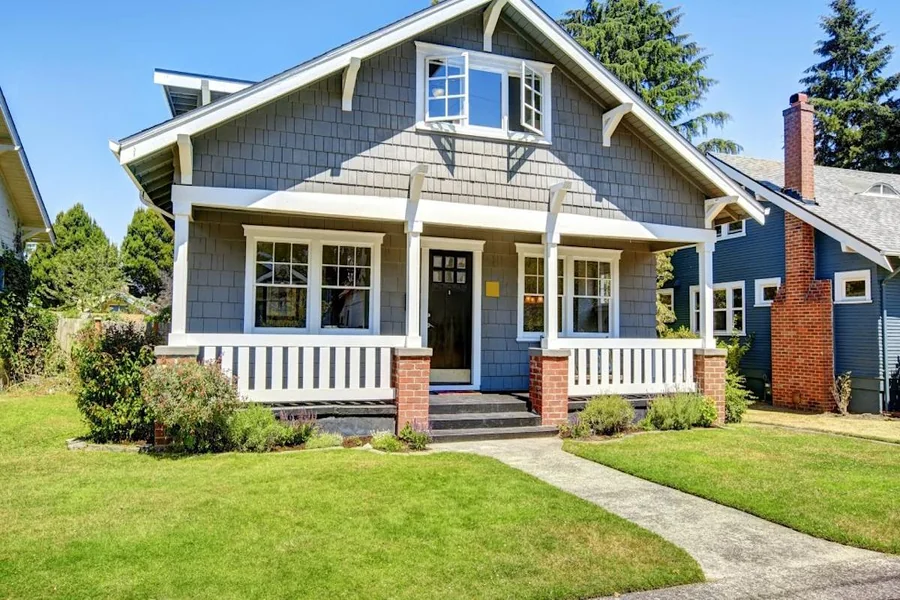
Buying a house in late April 2026 is a massive headache. The real estate market feels completely wild. Prices stay painfully high across the country. Interest rates bounce around every single day. Normal people feel totally lost in the chaos. A buyer might pause and ask the big question. That question is exactly how much house can I afford with 120k salary right now. Earning that much money sounds great on paper. A few years ago, that exact salary easily bought a giant mansion. Today, things look very different. The banks play complicated games with numbers. The government takes a huge slice of the pie. It’s a tough world out there for any homebuyer. A smart buyer needs to look at the raw math. This prevents a total financial disaster down the road. Let us break down the real numbers together.
The Brutal Reality Of A Gross Income
A salary of $120,000 looks amazing at first glance. That equals exactly $10,000 every single month. Banks call this number your gross income. Lenders absolutely love this huge number. They base their loan offers on this starting amount. But here’s the thing. This number is a giant illusion. Nobody actually gets to keep $10,000 a month.
The government steps in first to take a cut. Federal taxes take a huge bite out of the paycheck. State taxes take another painful bite. Then comes the cost of health insurance. Don’t forget about your retirement savings. After all these mandatory deductions, the real money shrinks fast.
A normal worker earning this exact salary opened a paycheck this week. The actual take-home pay was only about $7,200. This is the real money available for your actual life. This money buys food. This money pays for gas. This money pays the monthly electric bill. Using the gross income to plan a budget is incredibly dangerous. It usually leads to buying way too much house. A person ends up totally broke very quickly. The mortgage eats every single dollar they earn. People call this being house poor. It’s a miserable way to live. A buyer must only look at the money that actually hits the bank account.
The Famous Twenty Eight Thirty Six Rule Explained
The mortgage industry loves creating rules. They have a very old formula for buyers. People call it the 28/36 rule. Veteran loan officers swear by this simple math. It’s basically the golden rule of real estate. The first part focuses on the number 28. A buyer should never spend more than 28 percent of their gross income on housing.
For a $120,000 salary, the math is pretty simple. The absolute limit is $2,800 a month. This limit includes the main loan payment. It includes your local property taxes. It also includes home insurance.
The second part features the number 36. This part is even more strict. Total debt payments cannot pass 36 percent of the gross income. This means all debts combined together. Car loans count. Student loans count. Credit cards count. The absolute limit for all your debt is $3,600 a month. If a buyer pays $800 for a fancy truck, the math breaks completely. The bank will panic. The bank will slash the home loan amount to protect themselves. It’s incredibly frustrating for a new buyer. But lenders enforce this rule very strictly. They don’t care about a buyer’s big dreams. They only care about the spreadsheet on their screen. Following this rule keeps a buyer out of bankruptcy court.
How Modern Interest Rates Destroy Your Budget
Let’s talk about the elephant in the room. Interest rates in 2026 are completely brutal. Right now, rates hover right around 6.4 percent. Sometimes they spike even higher. The days of cheap money are dead and gone. A long time ago, people got loans at three percent. Those older buyers got incredibly lucky. Today, the banks demand a huge premium for their money.
This rate completely changes affordability for everyone. A small rate jump ruins a careful budget. Imagine borrowing exactly $400,000 from a bank. At three percent, the payment feels cheap. At 6.4 percent, the monthly payment explodes. It adds hundreds of dollars every single month. Over thirty long years, a buyer pays hundreds of thousands in pure interest. It’s practically organized robbery. Anyone asking how much house can I afford with 120k salary must watch the daily rates like a hawk. If rates drop slightly to six percent, buying power goes up. If rates hit seven percent, buying power crashes hard. A buyer must lock in a rate at the perfect time. A bad rate turns a modest house into a luxury expense. It’s totally unfair, but it’s the reality.
The Nightmare Of Hidden Property Taxes
People always forget the hidden costs of housing. The purchase price is just a starting point. The real nightmare begins with property taxes. Local governments absolutely love to tax homeowners. They use this money to pay for schools and fix roads. But the yearly bills are absolutely staggering.
A buyer in Texas will pay a massive tax bill. A buyer in New Jersey will cry at their tax bill. These local taxes get added directly to the monthly mortgage. A simple $2,000 loan payment easily becomes a $2,800 burden. Property taxes never go away. Actually, they usually increase every single year. The county sends an assessor to the neighborhood. The assessor decides the house is worth more money. Then the tax bill shoots up instantly. It feels like a total scam.
Homeowners insurance is another massive problem. In 2026, huge insurance companies are fleeing certain states entirely. Finding a cheap policy is practically impossible. These hidden fees destroy a monthly budget. A smart buyer calls an insurance agent long before making an offer. Finding out the true cost prevents a massive panic attack at the closing table.
Why Car Payments Ruin Your Mortgage Chances
Americans deeply love expensive cars. A giant SUV looks amazing in the driveway. A lifted truck feels incredibly powerful on the highway. But a fat car payment is a silent mortgage killer. Lenders truly hate car loans. They see a $700 monthly car payment as a massive risk. Every single dollar sent to a car company is stolen right from the house budget.
Let’s look at the math again. A $500 monthly debt lowers home buying power drastically. It destroys about $70,000 in actual loan value. A buyer with two big car payments is totally doomed. The bank will deny the home loan instantly. It’s a very harsh lesson.
A buyer should just drive an old beater car. Paying off the vehicle completely before buying a house is the smartest move. Zero debt makes the bank smile. Zero debt makes the entire approval process incredibly simple. Don’t let a shiny fancy car steal a future home. A house actually gains value over time. A car slowly turns into worthless junk. The choice is very simple.
Important Steps For New Buyers
1. Secure The Pre Approval Letter First
Never look at houses without a bank letter. Sellers will ignore a buyer with no proof of funds. The bank letter is your golden ticket.
2. Hoard Cash For Closing Costs
Closing costs are a nasty surprise. They eat up thousands of dollars fast. The bank charges fees for everything. The title company charges heavy fees. Hoard cash early to pay this ransom.
3. Fire Bad Real Estate Agents
Some agents just want a quick commission check. They push innocent buyers into terrible deals. Find an agent who actually points out bad roofs. Find an agent who fights aggressively for a lower price.
4. Inspect The Sewer Lines
A normal home inspection is simply not enough. Old houses have broken clay pipes. A broken sewer costs twenty thousand dollars to dig up and fix. Spend the extra money to run a video camera down the pipes.
5. Avoid Giant Homeowner Associations
HOA boards are usually terrible. They charge huge monthly fees for nothing. They complain about the specific color of a mailbox. Buying a house with no HOA brings pure freedom.
Real World Price Tags For This Budget
It’s time to look at actual house prices. With a $120,000 salary, the target is pretty clear. Assuming zero bad debt and a decent down payment, the sweet spot is obvious. Most smart buyers land between $380,000 and $450,000.
This money buys a decent home in a normal city. It definitely won’t buy a mansion in Los Angeles. It won’t buy a luxury penthouse in New York. If a buyer has a massive pile of cash for a down payment, the target price goes up. Putting down twenty percent changes the math completely. But saving eighty thousand dollars is incredibly hard right now. Groceries are too expensive. Rent is way too expensive.
Most normal people put down about five percent. This low amount triggers private mortgage insurance. It’s just another junk fee from the greedy bank. It adds another hundred bucks to the monthly bill. A buyer must accept these ugly facts. Hunting for a $400,000 home requires intense patience. It means looking at really ugly kitchens. It means painting over bad walls. The totally perfect house does not exist on this budget. A buyer must compromise to survive.
Protecting Your Bank Account In A Messy Market
The real estate game is completely exhausting. Buyers get extremely tired. Buyers get very angry. The system feels rigged against the working class. Earning a six figure salary used to guarantee instant wealth. Now, it just guarantees a decent, comfortable struggle.
The banks will push a buyer to borrow the absolute maximum amount. A buyer must resist this dangerous trap. Setting a strict personal budget is the only real defense. A comfortable payment brings peace of mind. A stretched payment brings terrible sleepless nights. Look closely at the numbers. Pay off those credit cards. Ignore the shiny new cars at the dealership. A disciplined buyer will eventually find a good home. It just takes time and pure stubbornness. Stay sharp out there and protect the bank account at all costs.
FAQs
What is the maximum monthly payment for a 120k salary?
The maximum safe payment is $2,800. This strictly follows the famous twenty eight percent rule for gross monthly income.
Will a car loan stop a home purchase?
Yes, a massive car loan will easily ruin an approval. Large debts force the bank to lower the allowed mortgage amount significantly.
Do I need a twenty percent down payment?
No, buyers absolutely do not need twenty percent. Many popular loan programs happily accept three to five percent down. Smaller down payments just increase the final monthly bill.
Are property taxes included in the mortgage payment?
Yes, most banks force buyers to include local taxes. The bank uses an escrow account to pay the county directly every single year.