A Spinal Cord Injury Changes the Life You Were Living, and the Legal Case Has to Be Built Around That Reality
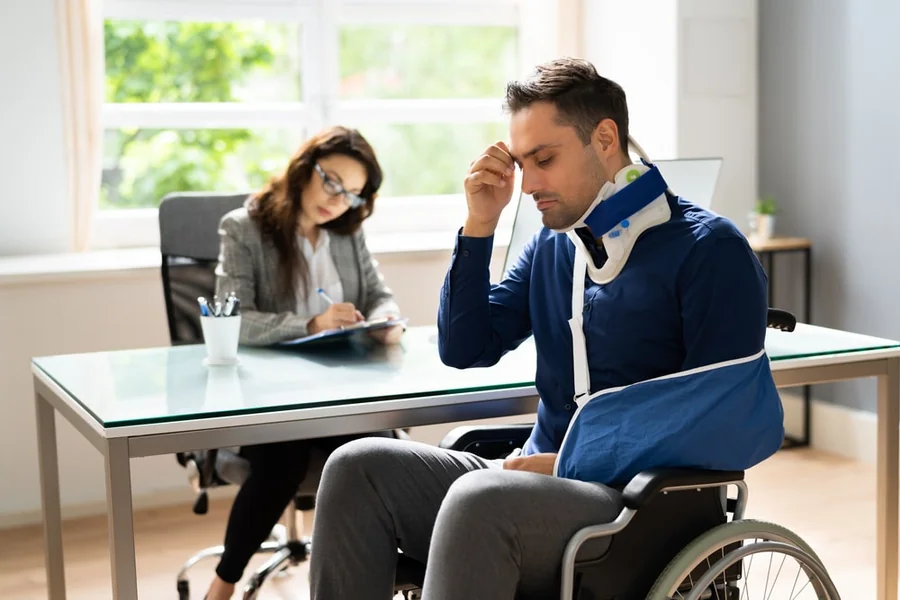
A serious spinal cord injury does not just interrupt someone’s life. It redirects it. The plans that existed before the accident, the career trajectory, the physical activities, the independence in daily life, are replaced by a new set of realities that the injured person and their family have to build an entirely different future around. The legal case that follows the injury has to be built around that future, not around the life that existed before, because it is the future’s costs and losses that the damages case is meant to address.
Families navigating a serious SCI often find that the legal process feels distant from what they are actually living. The spinal cord injury attorneys from Alexander Law Group LLP approach these cases by building the damages analysis around the specific injured person’s life, not a generic SCI template, because the gap between those two things is where claims get undervalued.
The AIS Classification and What It Means for the Future
The American Spinal Injury Association Impairment Scale runs from AIS A, a complete injury with no motor or sensory function preserved below the injury level, through AIS E, indicating normal function. The classification at the time of injury and the trajectory of neurological recovery through the rehabilitation period together define what the injured person’s functional future looks like.
An AIS A cervical injury produces a lifetime care picture that is fundamentally different from an AIS C or D injury. Life care planners, forensic economists, and medical experts must all be working from the specific patient’s classification and functional trajectory rather than from general SCI statistics. The difference is not marginal. It is often the largest variable in the entire damages case.
Why Rehabilitation Matters for the Legal Case, Not Just Recovery
The quality of acute rehabilitation care in the months immediately after a spinal cord injury has a documented effect on neurological outcomes. Patients who receive intensive, specialized SCI rehabilitation at facilities with experienced staff consistently achieve better functional results than patients whose rehabilitation is more limited. This matters legally because better functional outcomes mean different lifetime care needs, and the damages case must be built on the most accurate possible projection of what those needs will be.
At the same time, the cost of that rehabilitation is itself a recoverable damage. A seriously injured person who cannot afford the level of rehabilitation their injury requires because the legal case has not yet been resolved is facing a situation where the legal process is actively affecting their medical outcomes. Addressing that situation early is part of what comprehensive SCI representation involves.
Life Care Planning Calibrated to San Jose
A life care plan for a San Jose SCI patient must reflect what things actually cost in Santa Clara County, not what they cost nationally. Attendant care rates, home modification costs, medical specialist rates, and assistive technology are all priced at regional levels that exceed national averages significantly. A plan built on national cost data will fall short of what the injured person actually needs within years of the settlement. Getting this right requires a life care planner with specific California experience and a forensic economist who applies Santa Clara County cost data throughout the analysis.
What Families Can Do in the Early Stages
Some steps that help protect the legal case while the medical picture is still developing:
- Engaging legal counsel before any settlement discussion is initiated by any insurer
- Documenting the functional limitations the injury has produced in daily life from as early as possible
- Requesting that the treating rehabilitation team document the specific care recommendations for the future
- Avoiding any communication with the opposing insurer about future care needs without legal guidance
The Christopher and Dana Reeve Foundation’s spinal cord injury resource center provides detailed information on injury classifications, rehabilitation outcomes, and the long-term care standards that inform life care planning for SCI survivors throughout the country.